
- What Are the Cantaloupe Growth Stages?
- How to Start Cantaloupe Plants
- How to Care for Cantaloupe Plants
- What Happens During Cantaloupe Flowering and Pollination?
- Cantaloupe Fruit Development and Ripening
- What Are the Signs of a Ripe Cantaloupe?
- Harvesting and Storing Cantaloupe
- Common Cantaloupe Pests and Diseases
- Similar posts:
What Are the Cantaloupe Growth Stages?
Cantaloupes grow in distinct stages: germination, seedling, vine growth, flowering, pollination, fruit set, fruit development, ripening, and finally, harvest. This whole process – from seed to first pick – usually takes at least 90 days. After a flower is pollinated, the melons need a minimum of 40 days to grow big and ripen on the vine. Cantaloupes love warm weather. They do best with steady moisture, lots of sun, and high temperatures, perfect for long, hot summers.
How to Start Cantaloupe Plants
To grow cantaloupe, you first need to sprout the seeds. Start them inside about 3 to 4 weeks before the last frost. This is key in colder areas, helping you get an earlier harvest. Cantaloupe seeds are not too big, and they sprout fast.
Use pots that you can plant directly into, like peat pots. This keeps the roots from getting disturbed when you move them. Put 3 or 4 seeds in each pot, then later thin them down to just two seedlings.
When can you move these young plants outside? Only when the nights consistently stay above 59°F (15°C ). The soil itself should be 60-70°F – 70°F or more is perfect. Before planting, get your seedlings used to the outdoors by slowly exposing them to the elements.
Cantaloupes need full sun. They also like rich, well-drained soil with a pH between 5.5 and 7.0. Give each plant 36 to 42 inches of space, or 12 inches if you plan to trellis them. Mix compost or old manure into the soil; cantaloupes eat a lot. Black plastic mulch can warm the ground and keep weeds down.
How to Care for Cantaloupe Plants
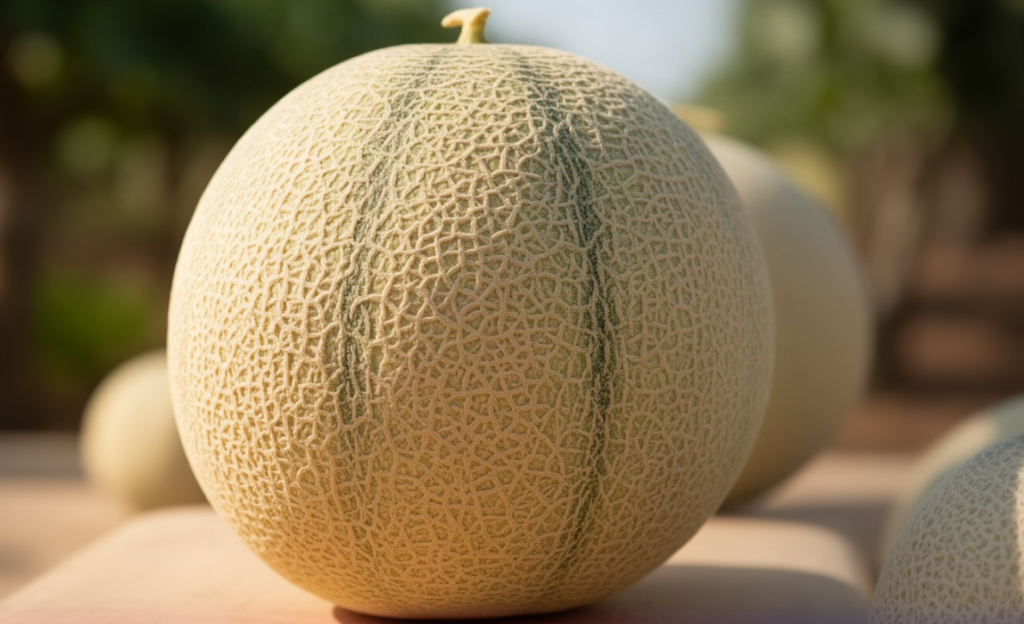
Young plants need plenty of water, especially from when you transplant them until they start making fruit. Give them at least 2 inches of water each week. Soaker hoses or drip irrigation work best for this – they keep the leaves dry and help stop fungal diseases. Once the melons are full-sized, cut back on watering by half. This helps concentrate the sugars and makes the melons sweeter.
Mulch with straw or black landscape fabric. This keeps the soil moist, stops weeds, and lifts the fruits off the ground, preventing rot. You can prune suckers to thin out the leaves, which sends more energy into fewer, bigger melons. But don’t pinch off growing shoots as the melons ripen; the leaves are vital for sugar production. Support developing melons, especially if they’re growing up a trellis, to keep the vines from breaking. Good foliage is key for fruit sugar. Also, fertilize regularly with plant nutrition granules for healthy cantaloupe.
What Happens During Cantaloupe Flowering and Pollination?
Cantaloupe plants are monoecious; they grow both male and female flowers on the same plant. Male flowers show up first. About a week later, female blossoms appear. You can spot female flowers by a small swelling at their base – that’s the fruit starting to form.
Bees do most of the pollination, and this is key for fruit to set. Once flowers are there, take off any covers like insect netting. This lets pollinators get to the blossoms. More bee visits per flower mean more seeds inside each fruit. This leads to bigger, better-shaped cantaloupes.
What if the weather is bad? Cool, rainy, or windy days can keep bees from flying. Low temperatures also stop pollen from developing and releasing. Good pollination means fruit will set and grow.
Cantaloupe Fruit Development and Ripening
Cantaloupe fruits begin to grow after successful pollination. It takes at least 40 days for melons to reach full size and start ripening. Hot, dry weather during this time really boosts sugar production, making the melons sweeter.
Pollination is key for cantaloupe fruit to grow. The fruit needs successful pollen transfer to set. Cantaloupe plants have separate male and female flowers. Male flowers show up first, then female flowers appear with a small bump at their base – that’s a developing fruit.
Cantaloupe flavor – its sweetness and smell – develops completely while the fruit is still on the vine. Once picked, the fruit might get softer, but it won’t get any sweeter. So, picking it at its ripest point is crucial for the best sweetness.
During ripening, it helps to cut back on watering. Give the vines just enough water to keep them from wilting. This water reduction lets the vines put more sugar into the fruit, making the melon sweeter. Too much water can dilute the fruit’s sugar.
In colder areas, pull off any blossoms that appear within 50 days of the first expected frost. This gives bigger, existing fruits enough time to ripen before frost hits.
Some growers prune their plants. They let only one melon ripen at a time for maximum sweetness. Healthy leaves making lots of sugar are what makes a melon sweet.
What Are the Signs of a Ripe Cantaloupe?
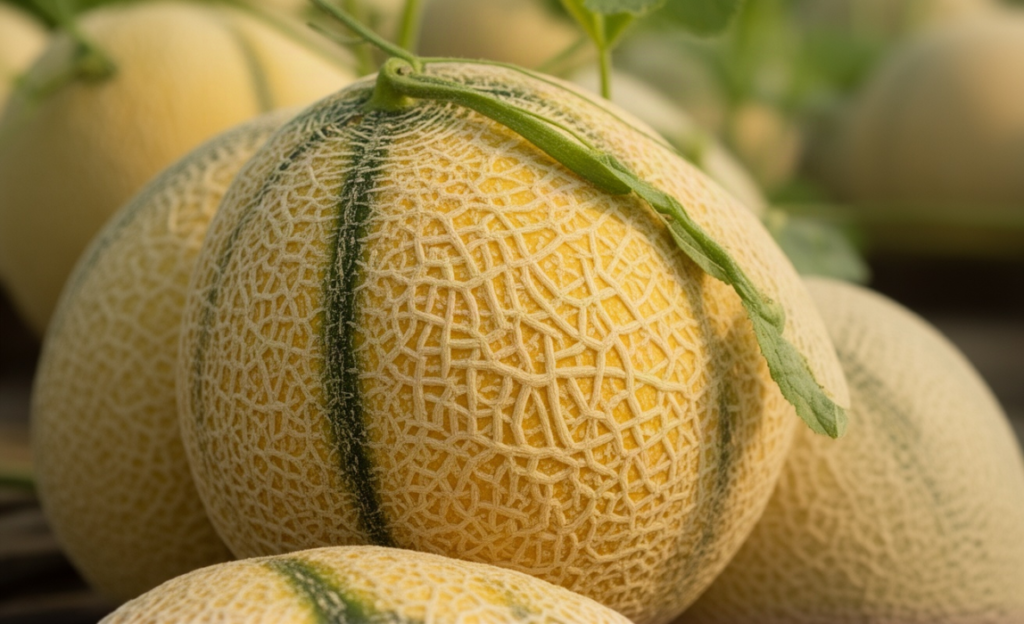
A ripe cantaloupe gives off several clues. You’ll notice a strong, musky, fragrant smell. Its skin shifts from gray-green to a yellow-buff, and the netting pattern turns creamy and stands out. A crack appears around the stem, letting the melon pull free from the vine easily. The blossom end – opposite the stem – will give a little when you press it.
Harvesting and Storing Cantaloupe
Cantaloupes signal their readiness for harvest in a few ways. The melon’s underside usually turns yellow, and its stem begins to brown. The best sign, though, is when the melon slips easily from the vine. Honeydew melons are different; they don’t slip. Their ripeness shows as a color shift from pale green to yellowish-white, a slight softness at the blossom end, and a light, sweet smell. If you’re not eating honeydew right away, leave about an inch of stem on it. This helps stop rot.
Whole, ripe cantaloupes last about five days in the fridge. Once cut, they stay fresh for up to three days. Muskmelons can be stored for two weeks at 36°F to 45°F. Put them in a plastic bag. This keeps their smell from getting into other foods.
Common Cantaloupe Pests and Diseases
Cantaloupe plants battle many pests and diseases. Spotted and striped cucumber beetles, squash bugs, mites, and melon aphids are common insect threats. Cucumber beetles eat leaves and spread bacterial wilt, which makes vines collapse. Aphids gather on vines, stunting growth and passing on viruses.
Fungal diseases like Alternaria leaf spot, gummy stem blight, Downy mildew, and powdery mildew discolor leaves. Fusarium and Verticillium cause wilt diseases, turning leaves yellow and limp. Blossom-end rot – a physiological problem – happens when fruit lacks calcium, often from uneven watering or too much nitrogen. Damping-off, another fungus, rots seedlings right at the soil line. Fruit rots also appear, especially in wet weather.
Bacterial wilt spreads through cucumber beetles. Viruses stunt growth and twist fruit. To fight these issues, growers use crop rotation, careful watering, and remove sick plants.
