
European windows are becoming increasingly popular in the United States among homeowners, architects, and builders looking for a combination of modern design, energy efficiency, and advanced functionality. Explore European windows from EuroPrestige: https://europrestige.us/windows/european_windows/ to discover options designed for contemporary residential and architectural projects. Unlike many traditional American window systems, European designs often combine slim profiles, high-performance glazing, and innovative opening mechanisms in one integrated solution.
- What Are European Windows?
- Tilt-and-Turn Windows: A Distinctive European Feature
- Energy Efficiency for American Homes
- European Windows and Modern Architecture
- PVC vs. Aluminum European Windows
- What About the Cost of European Windows in the USA?
- Choosing European Windows for Your Home
- Why European Windows Are Growing in Popularity
- Conclusion
- Similar posts:
What Are European Windows?
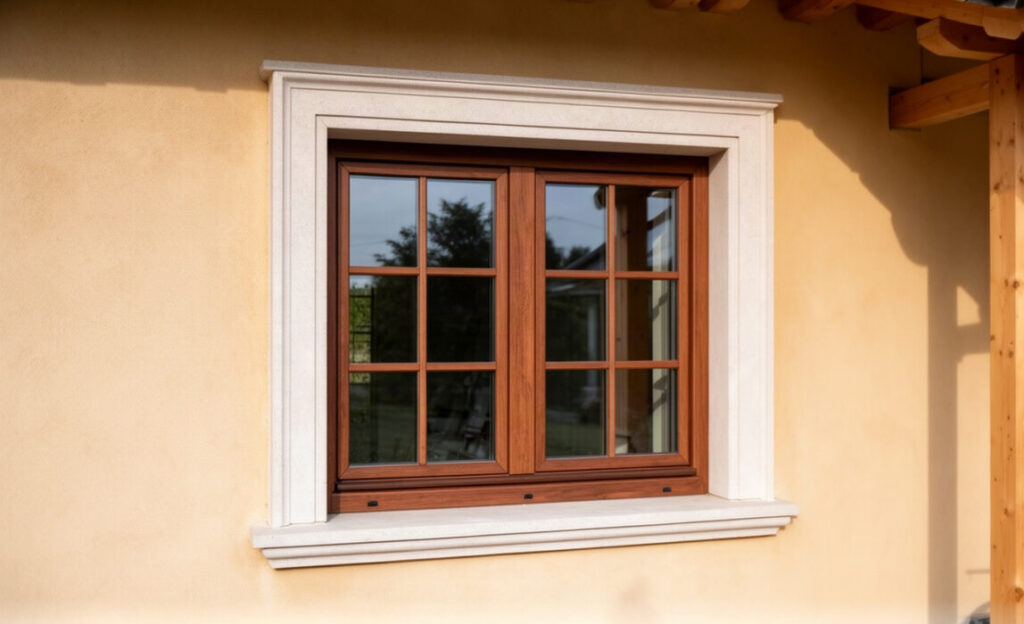
European windows are window systems developed around European engineering and architectural standards. They are available in materials such as PVC, aluminum, and other high-performance systems, with configurations designed for different architectural and climate requirements.
One of their defining characteristics is the emphasis on both appearance and performance. Slim frames can create larger areas of visible glass, while sophisticated sealing and glazing systems are designed to improve thermal and acoustic insulation.
European window systems can also offer a variety of configurations, including fixed windows, sliding systems, outward-opening windows, and the popular tilt-and-turn design.
Tilt-and-Turn Windows: A Distinctive European Feature
One of the best-known features of European windows is tilt-and-turn functionality. Instead of opening in only one direction, the same window can typically be tilted inward from the top for ventilation or opened inward more fully for access and cleaning.
This design provides flexibility for everyday use. Tilting the window can allow fresh air into a room while maintaining a more controlled opening, while the full opening position can make cleaning and ventilation easier.
For American homeowners accustomed to conventional single-hung, double-hung, or casement windows, tilt-and-turn technology can provide a different approach to ventilation and usability.
Energy Efficiency for American Homes
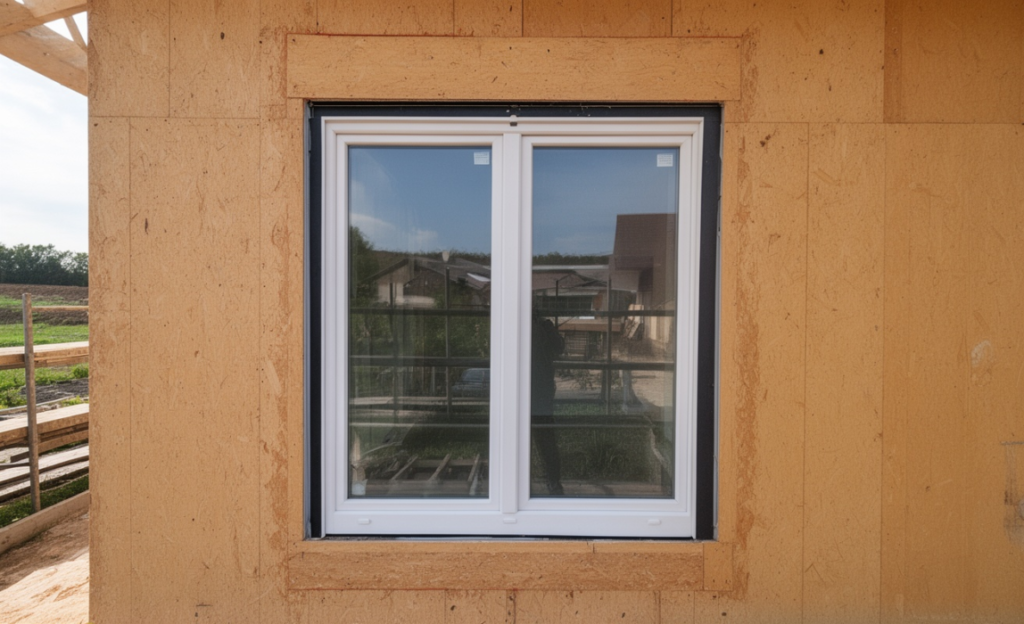
Energy efficiency is one of the major reasons European window systems attract attention in the USA. High-performance glazing, insulated frames, and advanced sealing can help reduce unwanted heat transfer between the interior and exterior.
Depending on the specific system and glass configuration, European windows may incorporate double or triple glazing and sophisticated thermal insulation. The right combination can help maintain more consistent indoor temperatures and reduce drafts.
However, window performance depends on more than the product itself. Proper sizing, installation, glazing selection, and local climate conditions all play important roles in achieving the expected results.
European Windows and Modern Architecture
Modern architecture increasingly favors large glass surfaces, minimal framing, and clean geometric lines. European window systems fit naturally into this aesthetic.
Slim aluminum frames, for example, can provide the structural strength needed for large openings while maintaining a contemporary appearance. Large windows can also increase natural light and create stronger visual connections between indoor and outdoor spaces.
For luxury residences, modern renovations, and new construction, European-style windows can therefore become an important architectural element rather than simply a functional building component.
PVC vs. Aluminum European Windows
European window systems are available in different frame materials, with PVC and aluminum among the most common choices.
PVC windows are valued for their insulation properties, durability, and relatively low maintenance requirements. Multi-chamber PVC profiles can provide effective thermal insulation while supporting a wide range of residential designs.
Aluminum windows are particularly attractive for modern architecture. Aluminum offers strength and durability while allowing manufacturers to create relatively slim frame profiles. This makes it suitable for large openings, expansive glazing, and contemporary designs.
The best material depends on the project’s architectural style, dimensions, performance requirements, budget, and local environmental conditions.
What About the Cost of European Windows in the USA?
The cost of European windows can vary considerably. Factors such as frame material, dimensions, glazing, hardware, opening configuration, customization, shipping, and installation can all influence the final price.
Although premium European systems can cost more than basic conventional windows, homeowners should consider the complete value of the installation rather than comparing the initial purchase price alone. Energy performance, durability, aesthetics, maintenance requirements, and long-term comfort can all contribute to the overall value of a window system.
For large or custom projects, requesting a detailed quotation based on the project’s exact specifications is the best way to understand the investment required.
Choosing European Windows for Your Home
Before purchasing European windows in the USA, homeowners should consider several factors:
- Climate: Choose glazing and insulation appropriate for the local weather conditions.
- Window size: Large openings may require specialized aluminum or reinforced systems.
- Opening style: Decide whether tilt-and-turn, sliding, fixed, or another configuration best suits the room.
- Glazing: Double and triple glazing can provide different levels of thermal and acoustic performance.
- Installation: Professional installation is essential for achieving the intended performance of a high-quality window.
- Design: Consider frame color, profile proportions, hardware, and the overall architectural style.
- Long-term value: Evaluate durability, maintenance, energy performance, and comfort alongside the initial price.
Why European Windows Are Growing in Popularity
The growing interest in European windows in the USA reflects a broader shift toward energy-efficient and design-focused residential construction. Homeowners increasingly want products that provide more than basic functionality: they want better insulation, natural light, modern aesthetics, durability, and convenient operation.
European window technology brings these priorities together. From minimalist aluminum systems to highly insulated PVC profiles and versatile tilt-and-turn designs, there are solutions for both contemporary homes and renovation projects.
Conclusion
European windows offer American homeowners an alternative approach to residential window design, combining modern aesthetics with advanced engineering and practical functionality. Their slim profiles, high-performance glazing options, sophisticated hardware, and flexible configurations make them especially suitable for modern homes, luxury residences, and architectural projects.
When selecting a European window system, it is important to look beyond appearance and consider thermal performance, materials, glazing, dimensions, installation, and long-term value. With the right product and professional installation, European windows can become a significant part of a comfortable, energy-conscious, and visually striking American home.
