
Heating a greenhouse with propane lets you keep growing through the coldest stretches of winter, but it’s not as simple as plugging in a space heater and walking away. Propane can absolutely protect tender plants from freezing temperatures, though you’ll need to manage heat distribution, airflow, and safety simultaneously.
Think of it this way: a propane unit introduces live combustion into an enclosed growing space. That means active safety management isn’t optional; it’s the price of admission. Get the setup right, and your winter greenhouse stays productive and safe. Get it wrong, and you’re risking your plants, your structure, and potentially your health.
- What Makes Propane a Good Choice for Greenhouse Heat?
- How Warm Should Your Greenhouse Be in Winter?
- What Type of Propane Greenhouse Heater Works Best?
- How Do You Heat a Greenhouse With Propane Step by Step?
- How Much Ventilation Does a Propane Greenhouse Heater Need?
- Where Should You Place a Propane Heater in a Greenhouse?
- Why Do You Need a Carbon Monoxide Alarm in a Greenhouse?
- How Can You Tell if Your Heater Is Affecting Plants or Air Quality?
- Tips for Using Propane Heat More Safely and Efficiently
- Similar posts:
What Makes Propane a Good Choice for Greenhouse Heat?
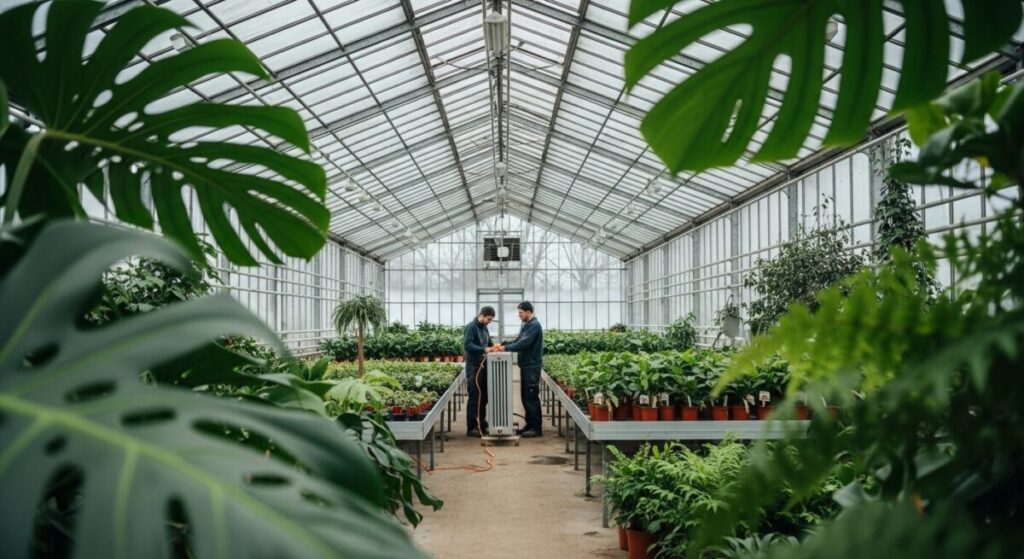
Propane is portable, widely available, and it works reliably even during deep cold spells when electric heaters struggle to keep up. If you’ve ever watched an electric unit labor to raise temperatures in a poorly insulated hoop house at 15°F, you already know the frustration. Propane can raise ambient temperatures quickly, making it a practical heating choice for small to mid-size hobby greenhouses, especially ones located far from electrical outlets.
Some propane heaters also add moisture to the air through combustion byproducts, which can actually benefit certain humidity-loving crops. That said, this isn’t a set-it-and-forget-it system. The amount of heat you’ll need depends directly on greenhouse size, insulation quality, outside temperatures, and wind exposure.
You also have to actively manage safety, as combustion poses real risks in enclosed spaces. Unmonitored propane units can overheat plants, consume needed oxygen, and release dangerous exhaust into the air. Sounds like a lot to juggle? It is, but once you’ve got a routine down, it becomes second nature.
How Warm Should Your Greenhouse Be in Winter?
Getting the right winter temperature range nailed down helps you avoid two common mistakes: overheating your greenhouse and burning through expensive fuel. If your goal is simply frost protection, you only need to maintain temperatures around 35°F to 40°F. For active cool-season growing, keeping the air around 45°F to 50°F works well for hardy greens and root vegetables like kale, spinach, and carrots.
Fragile seedlings, tropical species, and frost-sensitive plants usually require sustained winter temperatures between 55°F and 65°F to prevent them from dying. For example, if you’re reading a guide on growing cantaloupe from seed, you’ll see that warm-loving crops stall or die when nighttime temperatures drop too low.
Overnight lows matter far more than daytime heat spikes when it comes to protecting winter crops from cold damage. A heater that runs too hot will quickly dry out soil, stress young seedlings, and dramatically increase your propane bill. Using a max-min thermometer lets you track those critical overnight lows accurately, and they’re cheap enough that there’s no excuse not to have one mounted at bench height.
What Type of Propane Greenhouse Heater Works Best?
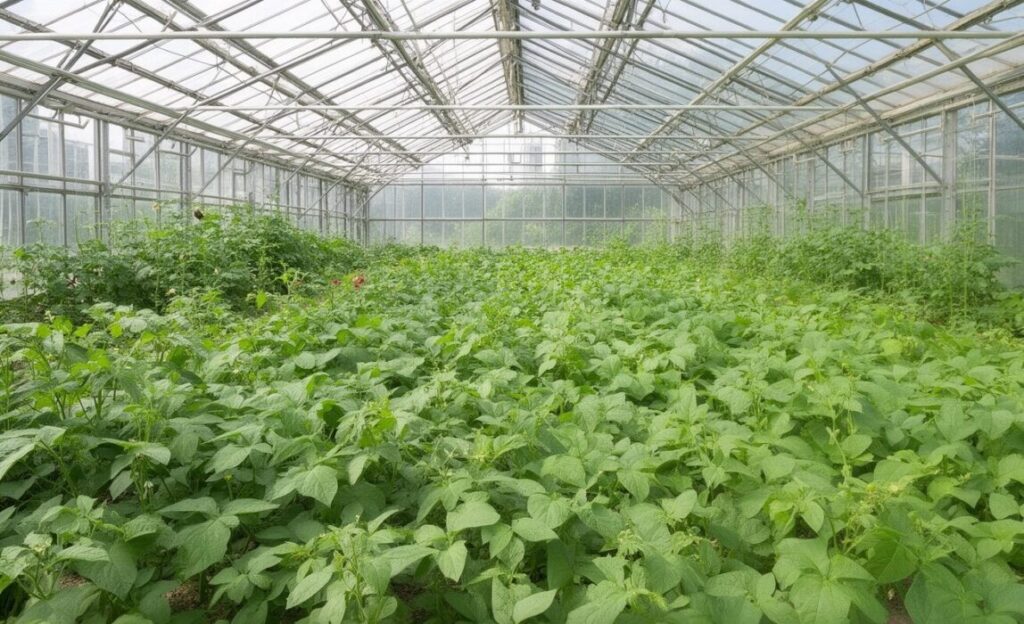
Choosing the right propane heater determines how you’ll manage air quality and safety inside your structure. Vented propane heaters exhaust gases directly outside through a flue or pipe, making them much safer for use in enclosed structures. The trade-off? Vented units require permanent installation, precise pipe routing, and a higher upfront cost.
Unvented propane heaters release heat and combustion byproducts directly into the surrounding space. These portable units cost less and are easy to set up, but they require strict fresh airflow to prevent dangerous carbon monoxide accumulation. Unvented heaters generally should not be used in an entirely airtight hobby greenhouse because they release excessive moisture and dangerous exhaust into the space. If you’re only heating on the coldest nights a few times per season, an unvented unit might work with careful ventilation. But for regular winter use, vented is the safer bet.
| Heater Type | How It Works | Main Benefit | Main Drawback | Best Use Case |
| Vented propane heater | Sends exhaust outside | Better air safety | Higher setup cost | Frequent winter greenhouse use |
| Unvented propane heater | Releases heat and byproducts inside | Lower upfront cost, simple setup | Higher CO and moisture risk | Temporary or emergency use, with strict ventilation |
| Thermostat-controlled unit | Turns on and off automatically | More stable temperature | May cost more | Greenhouses with sensitive plants |
| Manual portable unit | User adjusts output directly | Flexible and portable | Easier to overheat or underheat | Small greenhouses with close monitoring |
How Do You Heat a Greenhouse With Propane Step by Step?
You’ll want to follow a careful process when installing any fuel-burning equipment to protect both your crops and yourself. Skipping basic setup checks can lead to uneven temperatures, plant loss, or dangerous gas buildup.
- Measure the greenhouse and check insulation: Note your exact dimensions and check for cold drafts around doors, vents, glazing panels, and seams. Add weatherstripping or bubble wrap insulation where appropriate before you calculate your heating needs. Even a few gaps around the door frame can sabotage your efforts.
- Choose the right heater size: Use the manufacturer’s recommended coverage area or BTU guidance based on your square footage. Avoid buying oversized heaters, as they create extreme hot and cold zones that stress plants.
- Place the heater on a stable, nonflammable surface: Keep the unit far away from plastic walls, seed trays, pots, soil bags, and dry plant debris. Leave ample, clear space around the entire unit exactly as directed in the manufacturer’s instructions.
- Set up safe ventilation: Open roof vents, louvers, or provide a fresh-air intake point as required by the heater manual. Don’t seal the greenhouse so tightly that exhaust gases are trapped inside.
- Install a carbon monoxide alarm: Place a battery-operated alarm per the device instructions, avoiding dead-air corners and the space directly above the heat source. Test the alarm regularly to make sure it’ll sound if toxic gases accumulate.
- Run and monitor the system: Start the heater on a low setting and check the temperature at plant height. Watch for excess humidity, unusual condensation, and plant response. Never leave a brand-new setup unattended overnight.
How Much Ventilation Does a Propane Greenhouse Heater Need?
There’s no single universal vent opening size that fits every greenhouse and propane heater combination. Safe greenhouse air exchange depends heavily on whether your unit is vented or unvented, your total square footage, and the heater’s BTU output. You also have to factor in outside wind speed and temperature when adjusting your vents.
Always follow the heater manufacturer’s specific minimum ventilation requirements before turning the unit on. You should never use a propane heater in a completely sealed, airtight greenhouse. Fresh outdoor air is necessary for cleaner fuel combustion and to dilute harmful combustion byproducts.
And here’s the part most hobby growers don’t think about: poor ventilation isn’t just a short-term safety issue. Research on delayed neurological problems after carbon monoxide poisoning shows that symptoms can appear days or even weeks after exposure. Medical research has also linked carbon monoxide poisoning to long-term brain injuries from Carbon Monoxide that can include lasting cognitive and neurological harm.
Your plants can suffer too when exhaust gas gets trapped. A major greenhouse crop loss was recently tied directly to excess carbon monoxide from malfunctioning heating equipment. A small greenhouse may need a cracked roof vent or a lower intake point, plus a circulation fan, to maintain a safer, more gentle air exchange.
Where Should You Place a Propane Heater in a Greenhouse?
Correct heater placement helps prevent accidental fires, extreme hot spots, and poor heat distribution across your growing space. You should place the heater on a level, secure, non-combustible base, such as concrete pavers or bricks. Keep the unit far away from walking aisles, plastic sheeting, fertilizer bags, cardboard boxes, and dry leaves.
Place a propane heater on a stable surface with clear space around it.
Don’t aim the intense heat output directly at tender seedlings, as this can quickly scorch leaves and dry out potting soil. If you’ve ever read about sowing creeping thyme indoors, you know that tiny seedlings need gentle, ambient warmth rather than direct blasts of dry heat. Position the heater so warm air can circulate freely throughout the structure rather than being trapped in a single corner.
Always keep your propane cylinders in the exact location the manufacturer recommends, which is often outside the greenhouse. Also, avoid placing the heating unit directly against the greenhouse wall, because concentrated heat can warp or melt polycarbonate glazing surprisingly fast.
Why Do You Need a Carbon Monoxide Alarm in a Greenhouse?
When fuels fail to burn thoroughly, carbon monoxide – a hazardous gas that you cannot see or smell – can rapidly reach dangerous concentrations inside an enclosed space. Because you can’t rely on smell to detect a problem, an alarm isn’t a luxury; it’s a basic safety device. A working alarm gives you a critical warning so you can leave the space before symptoms begin.
A working carbon monoxide alarm is a basic safety step for any propane-heated greenhouse. The U.S. Consumer Product Safety Commission strongly advises consumers to verify the functionality of their carbon monoxide detectors and thoroughly review operational guidelines before running any seasonal fuel-powered appliances. Long-term studies also show that severe carbon monoxide poisoning can lead to lasting neurocognitive deficits. A 2024 meta-analysis on CO exposure found a higher risk of dementia after carbon monoxide poisoning, which underscores just how serious even a single exposure event can be.
How Can You Tell if Your Heater Is Affecting Plants or Air Quality?
Poor heater combustion often shows up through changes in plant health and the greenhouse environment before you notice anything yourself. You might spot heavy condensation dripping from the ceiling, indicating excessive unvented combustion moisture. You may also see leaf scorch near the heater or weak, spindly growth caused by uneven overnight temperatures.
Equipment signs of poor air quality include soot buildup on the heater, a flickering yellow flame (rather than a clean blue one), or a strange chemical odor. These symptoms can mean the heater is starved of oxygen and may be producing dangerous exhaust gases.
Human symptoms such as headaches, dizziness, nausea, or sudden fatigue upon entering the greenhouse are major red flags. If you experience any of these, immediately turn off the heater, step outside into fresh air, and ventilate the greenhouse completely before going back in.
Tips for Using Propane Heat More Safely and Efficiently
Before you fire up the heater for the season, insulate your greenhouse so you burn less fuel overall. Bubble wrap on the interior walls, weatherstripping around doors, and even old blankets draped over benches at night can all make a difference. Use a thermostat-controlled heater whenever possible to maintain stable temperatures and reduce unnecessary heating cycles.
Always check your propane hoses, tank regulators, and brass connections for leaks with soapy water before the cold season begins. Keep a fully charged fire extinguisher mounted near the greenhouse door for emergencies. And never, under any circumstances, attempt to use outdoor-only equipment like a barbecue grill or camping stove to heat an enclosed greenhouse. Re-read your specific manufacturer’s installation manual before the start of each heating season, too, because it’s easy to forget the details over summer.
If you want to lower your total fuel consumption, combine propane heat with passive methods like thermal water mass (five-gallon buckets of water absorb daytime heat and release it overnight), thick row covers, or insulation curtains. The safest propane-heated greenhouse isn’t the hottest one. It’s the one that maintains steady temperatures, fresh airflow, and reliable monitoring night after night.
