
Florida’s construction industry operates in one of the most financially demanding insurance environments in the country. Between the hurricane exposure, strict licensing requirements, and high litigation rates, contractors face premium pressures that can eat into already thin margins. For many businesses, insurance feels like a fixed, uncontrollable expense. In reality, it is not. With the right knowledge and deliberate planning, Florida construction businesses can take real control of their insurance costs without sacrificing the protection they need to operate legally and safely.
Key Types of Insurance Florida Construction Businesses Need
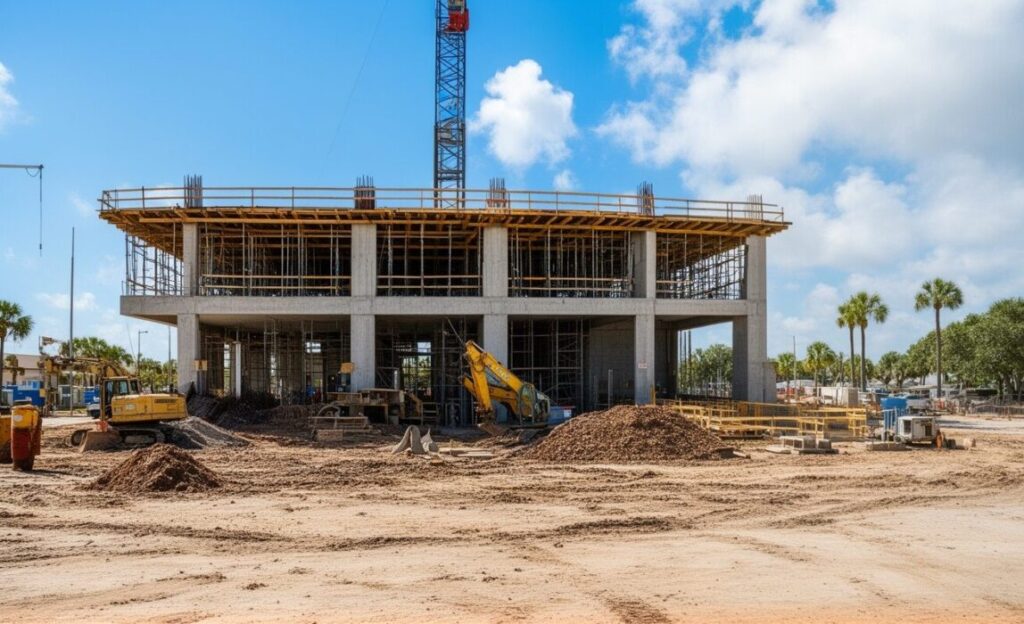
Before a contractor can manage costs intelligently, they need a clear picture of what coverage they are actually required to carry and why. Florida construction businesses typically deal with several distinct policy types, each serving a specific purpose.
General Liability, Workers’ Compensation, and Builders Risk Coverage
General liability insurance protects against third-party bodily injury and property damage claims. For example, if a subcontractor’s crew accidentally damages a neighboring property or a visitor is injured on a job site, this policy responds to those claims. In Florida, most general contractors are required to carry it as a condition of licensure.
Workers’ compensation is equally non-negotiable. Florida law mandates it for construction businesses with one or more employees, and the penalties for non-compliance are severe. It covers medical expenses and lost wages for employees injured on the job, which in construction happens more frequently than in almost any other industry.
Builders’ risk coverage protects structures under construction against damage from fire, theft, vandalism, and certain weather events. Given Florida’s storm exposure, this coverage is especially relevant. Services offered by companies like Affordable Contractors Insurance often bundle these core policies in ways that make compliance more straightforward and cost-effective for smaller contractors trying to meet all their obligations without overspending.
Top Factors That Drive Up Construction Insurance Premiums in Florida
Understanding what pushes premiums higher is the first step toward pushing them back down. Several factors are specific to Florida and the construction sector, and each one carries weight in how insurers calculate risk.
- Geographic location and weather exposure. Florida’s vulnerability to hurricanes, tropical storms, and flooding makes it a high-risk state by default. Contractors who operate in coastal zones or flood-prone areas will generally see higher rates than those working further inland, regardless of their safety record.
- Claims history. A business with a pattern of filed claims signals risk to insurers. Even a few small claims over a short period can trigger significant premium increases at renewal. Insurers see past claims as a predictor of future behavior, which means a poor claims history follows a business for years.
- Type and scale of work. Roofing, demolition, and structural work carry far more risk than finish carpentry or painting. As a result, insurers assign higher rates to businesses in high-hazard trades. The size of projects also matters: larger contracts translate to greater potential exposure.
- Workforce size and experience. More employees generally means more exposure. But, a larger but well-trained workforce can sometimes be viewed more favorably than a smaller crew with a spotty safety record. Insurers look at experience modification rates (EMR), which reflect a company’s historical safety performance relative to industry averages.
- Subcontractor management practices. Contractors who regularly hire uninsured subcontractors take on added liability. If a subcontractor causes an injury or property damage without their own coverage, the general contractor’s policy often ends up absorbing the cost.
Proven Strategies to Reduce Your Construction Insurance Costs
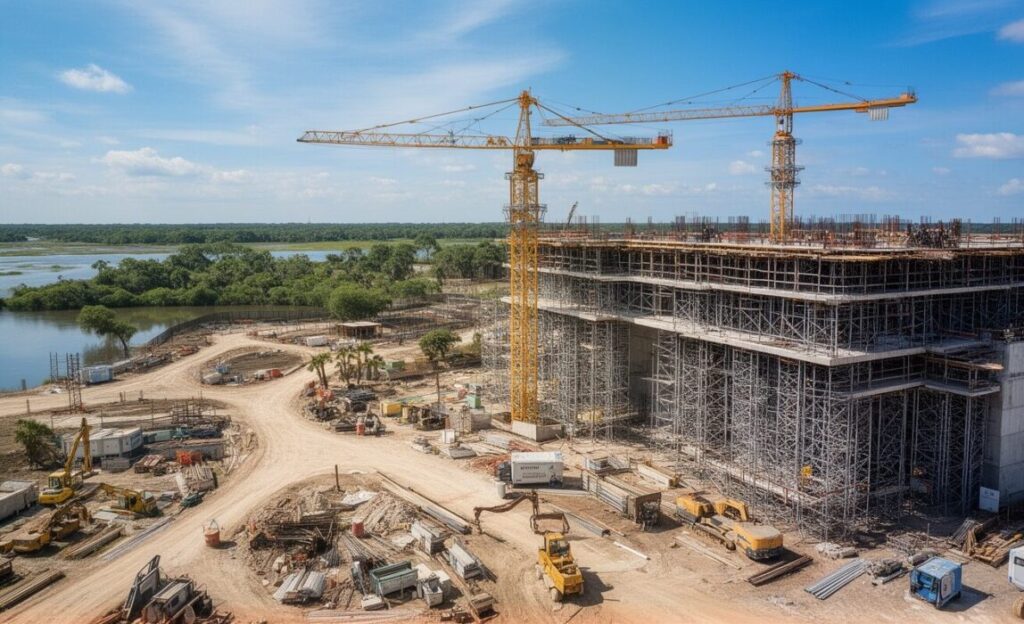
There is no single fix that eliminates high premiums overnight. But a combination of operational discipline and smart policy management can produce meaningful, sustained savings over time.
Investing in Safety Programs and Workforce Training
Safety is not just a moral obligation: it is a direct financial lever. Construction businesses that document and consistently carry out formal safety programs tend to have lower injury rates, which in turn drives down their experience modification rate. A lower EMR translates directly into lower workers’ compensation premiums.
Training new hires on job-site protocols, tool handling, and hazard recognition reduces the likelihood of accidents before they happen. Regular safety meetings and documented inspections also provide evidence of due diligence, which can matter if a claim is ever disputed. In Florida specifically, where heat-related illness and fall incidents are among the top causes of construction injuries, targeted training in these areas can have a measurable impact on a company’s loss history over a two- to three-year period.
Some insurers offer premium discounts to businesses that hold recognized safety certifications or participate in formal loss-control programs. It is worth asking about these options at every renewal.
Leveraging Claims History and Policy Bundling
A clean claims history is one of the most powerful tools a contractor has in negotiating favorable insurance rates. Businesses should think carefully before filing small claims that might be manageable out of pocket. Each filed claim affects the loss ratio that insurers use to set future premiums, and the long-term cost of a minor claim often exceeds the short-term payout.
Policy bundling is another avenue for cost reduction. Purchasing multiple coverage lines from the same carrier or broker frequently results in multi-policy discounts. For instance, combining general liability, commercial auto, and inland marine coverage under one relationship can reduce total premium spend compared to sourcing each policy separately.
Contractors should also conduct an annual policy review to check for coverage gaps and redundancies. Over time, businesses grow and change, and policies that were appropriate two years ago may no longer reflect current operations accurately. An outdated policy can mean either overpaying for coverage that no longer applies or being underinsured for current risk exposures.
Conclusion
Managing insurance costs in Florida construction requires more than a quick comparison of quotes. It demands a proactive approach to safety, a thoughtful claims strategy, and a clear understanding of what drives premium calculations. Contractors who treat insurance as a manageable business expense rather than a fixed cost are consistently better positioned to protect their margins. The right coverage at a fair price is achievable for any Florida construction business willing to put in the work.
