
- What Defines Evergreen Trees?
- How Do Evergreen and Deciduous Trees Differ?
- What Are the Main Types of Evergreen Trees?
- What Are the Distinct Characteristics of Evergreen Trees?
- How Do Evergreen Trees Adapt to Survive?
- Where Do Evergreen Trees Grow Globally?
- What Ecological Benefits Do Evergreen Trees Offer?
- Similar posts:
What Defines Evergreen Trees?
Evergreen trees maintain their vibrant green foliage throughout the year, a characteristic reflected in their Latin name, which fittingly translates to “always green.” This enduring verdancy is a key survival mechanism; unlike deciduous trees that shed their leaves seasonally, evergreens retain theirs. This allows them to thrive even when nutrients are scarce and resources are limited.
How Do Evergreen Trees Retain Foliage Year-Round?
Evergreen trees maintain a year-round green canopy, unlike their deciduous counterparts that shed all foliage simultaneously. This enduring verdure is sustained by a continuous, rather than seasonal, leaf replacement cycle. Old leaves are constantly shed, making way for new growth; this ongoing renewal process allows them to withstand harsh conditions, such as cold temperatures and prolonged dry periods, more effectively.
How Do Evergreen and Deciduous Trees Differ?
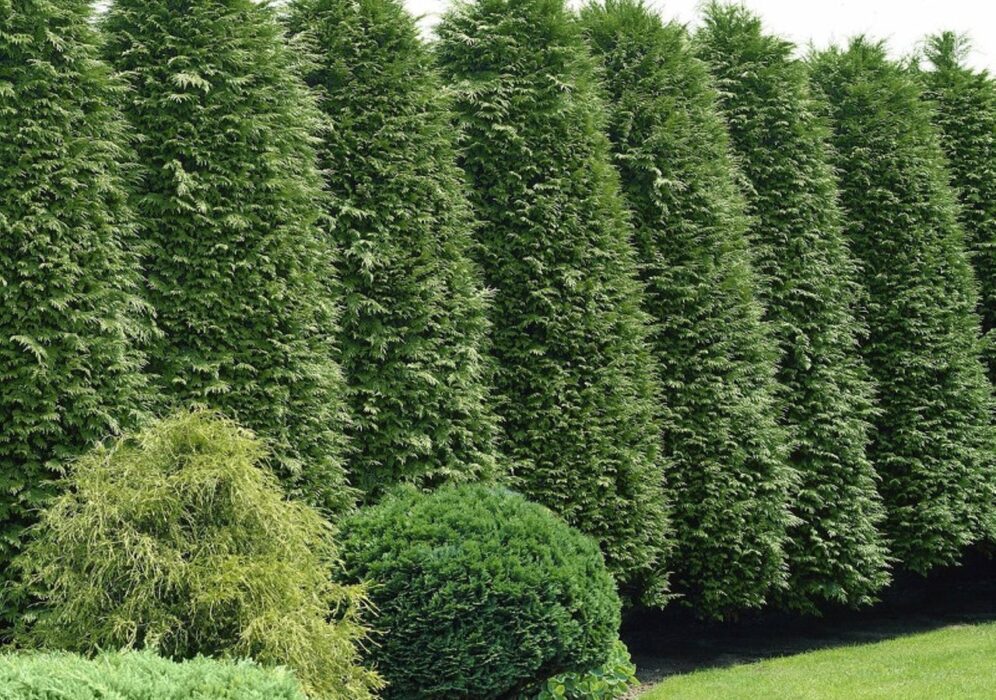
Evergreen trees retain their foliage year-round, offering a constant green presence. Deciduous trees, however, shed all their leaves, typically during winter or dry periods.
Evergreen foliage can persist for extended periods, ranging from several months to even decades. On the other hand, deciduous trees completely renew their leaf canopy each season, which is a key distinguishing factor between the two types.
How Do Evergreen Leaves Compare to Deciduous Leaves?
Evergreen foliage boasts remarkable structural advantages that contribute to its longevity and resilience. These leaves are notably thick, containing a higher density of parenchyma cells and larger internal air spaces. This robust architecture not only enhances leaf weight per area but also equips evergreens with superior water and air storage capabilities. This is readily apparent in species such as:
- pines, which feature tough, needle-like leaves,
- firs, which feature tough, needle-like leaves,
- junipers, with their equally durable, scale-like foliage.
How Do Evergreens Optimize Resource Use?
Evergreen trees demonstrate remarkable resourcefulness. Their resilient foliage, unlike the leaves of deciduous trees, persists year-round, eliminating the need for annual shedding. This exceptional durability conserves substantial energy, as these trees aren’t constantly expending resources to produce new growth. Furthermore, this adaptation aids in water retention, a crucial advantage in arid environments where water is a precious commodity.
Their capacity extends beyond mere water conservation; evergreens are also adept at nutrient retention, thriving even in infertile soils. However, a consequence of their slow-decomposing leaves, rich in carbon but poor in nitrogen, is an increase in soil acidity and a reduction in available nitrogen. This characteristic, though, is particularly beneficial in nutrient-scarce regions. By meticulously managing resources and storing reserves, evergreens are poised for rapid growth whenever favorable conditions arise.
What Are the Main Types of Evergreen Trees?

Evergreen trees primarily fall into two categories: coniferous and broadleaf.
- coniferous evergreens, such as pines, firs, spruces, and cedars, bear cones and typically have needle-like leaves,
- broadleaf evergreens, on the other hand, feature wide, flat leaves, exemplified by holly, magnolia, and live oak.
Beyond these common types, many other species, including palm trees and various tropical hardwoods, also share the evergreen characteristic.
What Are Coniferous Evergreens?
Evergreen conifers are easily recognized by their distinct cones and needle-like leaves, though some sport unique scale-like foliage. These hardy trees predominantly inhabit northern forests, demonstrating remarkable resilience and adaptability to survive and thrive in cold climates.
What Are Broadleaf Evergreens?
Broadleaf evergreens flourish in warmer climates, distinguishing themselves from conifers, which often falter in the cold. A multitude of woody plants native to frost-free regions fall into this category; consider the towering rainforest trees, such as all eucalypts.
These species thrive on consistent warmth, with very few able to tolerate temperatures dipping below -14.8 °F. Instead, they excel in environments offering stable warmth and abundant rainfall, conditions perfectly epitomized by humid tropical forests.
What Is the Size Range of Evergreen Species?
Evergreen plants exhibit remarkable diversity, coming in a surprising array of sizes, from towering giants to compact shrubs.
For instance, the majestic Coast Redwood often surpasses 350 feet, while the Giant Sequoia also reaches incredible heights, both being colossal evergreen trees. Another impressive example of a massive evergreen tree is the Bristlecone pine.
In stark contrast, many evergreens remain quite small, thriving as mere shrubs or growing only a few feet tall. Specialized dwarf varieties, perfect for compact spaces, typically mature at 4 to 6 feet high, showcasing the adaptability of these versatile plants.
What Are the Distinct Characteristics of Evergreen Trees?

Evergreen trees are remarkably adaptable due to their unique features. Their leaves often have a waxy coating, which is crucial for preventing water loss and protecting them from damage.
Additionally, many cone-bearing evergreens have a distinct conical or triangular shape. This shape is a significant advantage because it efficiently sheds snow, thereby protecting their branches.
How Do Leaf Structures Differ in Evergreens?
Evergreen leaves are truly remarkable, exhibiting a fascinating array of designs, each a testament to nature’s ingenuity. These diverse forms are not mere aesthetic choices; they are crucial adaptations.
There are several types of evergreen leaves:
- slender, like the delicate needles of most pine trees,
- compact and flat, resembling scales, as seen in certain conifers,
- broadleaf evergreens, showcasing wide, flat foliage.
These adaptations enable plants to efficiently capture sunlight while skillfully regulating water use. This adaptability allows evergreens to flourish in a multitude of environments, their unique leaf structures being key to their widespread success.
How Does Resin Protect Evergreen Trees?
Evergreen trees possess unique defenses, primarily through their specialized leaves and, in many cases, a sticky substance called resin.
Pines, for instance, heavily rely on this resin, and it acts as a powerful barrier, effectively sealing any cuts or breaks in the tree.
This protective layer:
- prevents harmful germs from invading,
- deters insects,
- safeguards the tree from potential damage.
How Do Evergreen Trees Adapt to Survive?

Evergreen trees possess unique adaptations that enable them to flourish in diverse and challenging environments. Understanding these traits reveals their remarkable resilience.
A primary adaptation is their ability to withstand cold. Evergreens produce natural “antifreeze” compounds, such as sugars and proteins. These substances prevent ice crystals from forming within their cells, effectively protecting the trees from freezing damage, allowing them to thrive even in extremely frigid temperatures.
Water management is another key to their survival. Evergreen leaves are equipped with a thick, waxy coating. This protective layer significantly reduces water evaporation, allowing them to conserve precious moisture. Consequently, these trees can endure prolonged periods of drought that would prove fatal to many other species.
Furthermore, evergreens exhibit a remarkable capacity to grow in nutrient-poor soil. They efficiently retain their own nutrients, and their slowly decomposing leaves contribute significantly to soil enrichment. This process gradually releases vital nitrogen, providing a steady supply of nutrients that enables them to prosper in conditions where other plants struggle.
How Do Evergreens Withstand Cold Temperatures?

Evergreens are remarkably resilient, enduring frigid temperatures as low as -40°F. This exceptional cold tolerance allows them to flourish, frequently appearing in northern regions and cooler climates alike.
Their cellular structure provides crucial protection against the biting cold. Additionally, many evergreens boast a distinct cone shape; this design is more than just aesthetic, expertly shedding heavy snowfall to prevent branches from snapping under the icy burden.
How Do Evergreens Manage Water in Scarce Conditions?
Evergreens excel at water management, making them perfect for environments where resources are sparse. Their thick, waxy leaves are coated to retain moisture and effectively repel dry air. This ingenious adaptation allows them to flourish in challenging locations such as:
- arid mountain slopes,
- sandy coastal dunes,
- where most other plants would struggle.
How Do Evergreens Thrive in Low-Nutrient Soils?
Evergreens thrive, even in poor soil, thanks to their excellent nutrient cycling. Unlike deciduous trees that shed their leaves – and many valuable stored nutrients – evergreens hold onto their foliage throughout the year. This constant leaf mass allows them to continuously reuse vital elements internally, a recycling process that helps them flourish in nutrient-scarce environments.
Where Do Evergreen Trees Grow Globally?

Evergreen trees flourish across the globe, showcasing remarkable adaptability. These resilient woody plants thrive in diverse climates and nearly all habitats, from the frosty northern forests to the balmy tropical zones. Indeed, you’ll discover evergreens on every continent except Antarctica, a testament to their incredible hardiness and ability to endure varied environmental conditions.
Are Evergreens Found in Tropical Climates?
Tropical rainforests are prime examples of evergreen dominance, characterized by their prevailing broadleaf trees. These lush giants form an unbroken canopy, maintaining their vibrant green throughout the year. In these consistently warm and humid environments, trees continuously replace older leaves rather than shedding them simultaneously, a distinct behavior compared to flora in other climatic zones.
Are Evergreens More Prevalent in Colder Regions?
Broadleaf trees dominate tropical regions, but coniferous evergreens are widespread in colder climates. These resilient trees form vast boreal forests, characterizing the taiga biomes of northern latitudes. They are built to withstand challenging conditions, including frigid winters and nutrient-poor soils where organic matter decomposes slowly. Their prevalence stems from unique adaptations that allow them to endure the cold and efficiently manage their resources.
What Ecological Benefits Do Evergreen Trees Offer?

Evergreen trees are incredibly vital components of healthy ecosystems. They play a crucial role in purifying our air by absorbing carbon dioxide and consistently releasing fresh oxygen throughout the year. Their perennial green foliage provides essential food and shelter for various animals, particularly during harsh winter months. These remarkable trees also support a wide array of pollinators and insects, thereby significantly enhancing local biodiversity.
How Do Evergreens Support Wildlife Throughout the Year?

Evergreens are more than just air purifiers; they are indispensable for wildlife throughout the year.
Their dense foliage provides crucial safe havens where birds and small animals can seek refuge from:
- harsh cold,
- strong winds,
- lurking predators, particularly during the winter months.
These remarkable trees also play a vital role in supporting insect populations, including many species of moths, butterflies, and other beneficial pollinators, all of which contribute significantly to healthy ecosystems.
How Do Evergreens Impact Soil Health?
Evergreens significantly influence soil health, particularly in cooler regions. Their shed foliage decomposes at a sluggish pace, releasing abundant carbon but minimal nitrogen.
This process has several key impacts:
- it renders the soil more acidic,
- it reduces nitrogen availability,
- it creates an environment where evergreens flourish.
Consequently, deciduous trees struggle to thrive in these specific conditions, allowing evergreens to dictate the local plant life.
