
When people think about residential design, they often focus on floor plans, finishes, and interior aesthetics. Yet some of the most successful homes are shaped long before those decisions are made.
Professional architects understand that every project begins with the site itself. The orientation of the lot, topography, climate conditions, views, neighboring properties, and local regulations all influence how a home should be designed. Ignoring these factors can result in higher construction costs, reduced energy efficiency, and outdoor spaces that never reach their full potential.
The Site Should Inform Every Design Decision
One of the most expensive mistakes in residential development is treating the site as a passive container for a pre-designed house. While standardized floor plans may appear efficient on paper, they often fail to capitalize on the unique opportunities and constraints of a specific property.
Architectural planning should begin with a detailed site assessment that evaluates solar orientation, topography, drainage patterns, prevailing winds, privacy conditions, view corridors, access points, and local zoning requirements. These variables directly influence building placement, massing, window locations, outdoor living areas, and long-term energy performance.
In regions with diverse microclimates, such as California, site-responsive design becomes even more critical. A home positioned to optimize natural daylight, passive heating and cooling, and outdoor usability will typically outperform a comparable structure designed without regard to environmental conditions.
Leading firms specializing in home design for California living, including Ataman Studio, often start the design process by analyzing how the building can respond to the site’s natural characteristics before developing floor plans, elevations, or material selections. This integrated approach helps create homes that are not only visually compelling but also more comfortable, efficient, and resilient over time.
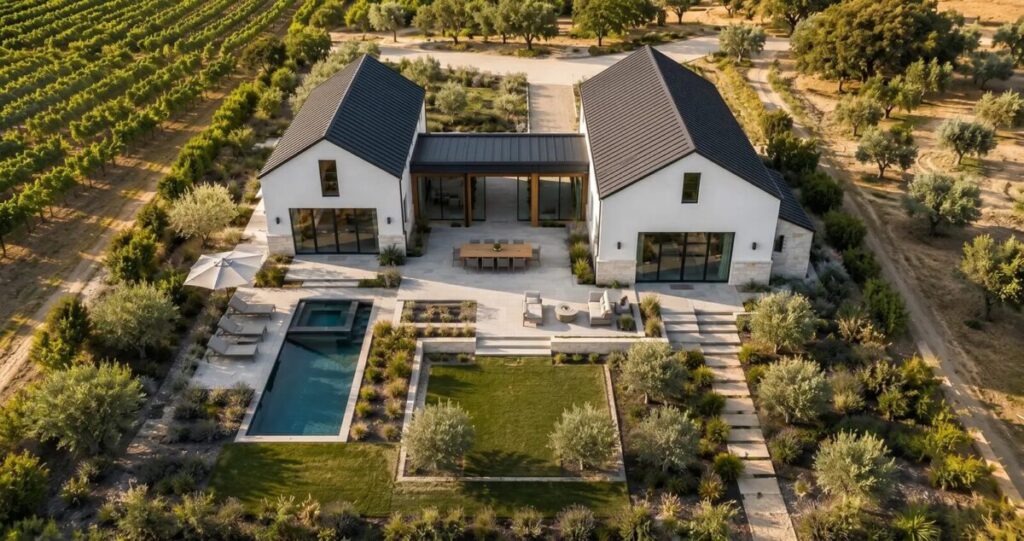
Orientation Impacts Building Performance
Building orientation is one of the most influential yet frequently underestimated aspects of residential design. While often associated with aesthetics and views, orientation directly affects daylight quality, thermal performance, occupant comfort, and long-term operational costs.
A carefully oriented home can maximize passive solar gain during cooler months while minimizing excessive heat accumulation during summer. Factors such as glazing placement, roof overhang dimensions, shading strategies, and room layout all contribute to how efficiently a building responds to local climate conditions.
In many cases, decisions made during the schematic design phase can significantly reduce future energy demands without increasing construction complexity or cost. As a result, orientation should be considered a performance strategy rather than merely a design preference.
Outdoor Living Areas Should Be Designed, Not Added
One of the defining characteristics of high-quality residential architecture is the seamless integration of indoor and outdoor spaces.
Too often, patios, terraces, pools, and landscape features are treated as separate projects that follow the completion of the home. This fragmented approach frequently results in disconnected circulation patterns, underutilized spaces, and missed opportunities to enhance daily living.
When outdoor environments are incorporated from the earliest stages of design, they become an extension of the architectural experience. Sight lines, privacy gradients, solar exposure, access routes, and landscape composition can then be coordinated as part of a single design framework.
The most successful projects do not distinguish between architecture and landscape; they view both as components of a unified spatial strategy.
Designing for Adaptability and Long-Term Value
Exceptional homes are designed not only for present-day needs but also for future flexibility.
Residential properties inevitably evolve over time as family structures, work patterns, accessibility requirements, and lifestyle priorities change. A home that accommodates these transitions without requiring major structural modifications will typically retain greater utility and market value throughout its lifespan.
Forward-thinking architectural planning often considers factors such as flexible living spaces, future expansion opportunities, aging-in-place principles, evolving technology requirements, and changing patterns of occupancy.
In high-demand real estate markets, where land often appreciates faster than the structures built upon it, adaptability becomes a critical component of long-term investment performance. Homes designed with a lifecycle perspective tend to deliver stronger returns, lower renovation costs, and greater resilience to changing homeowner needs.
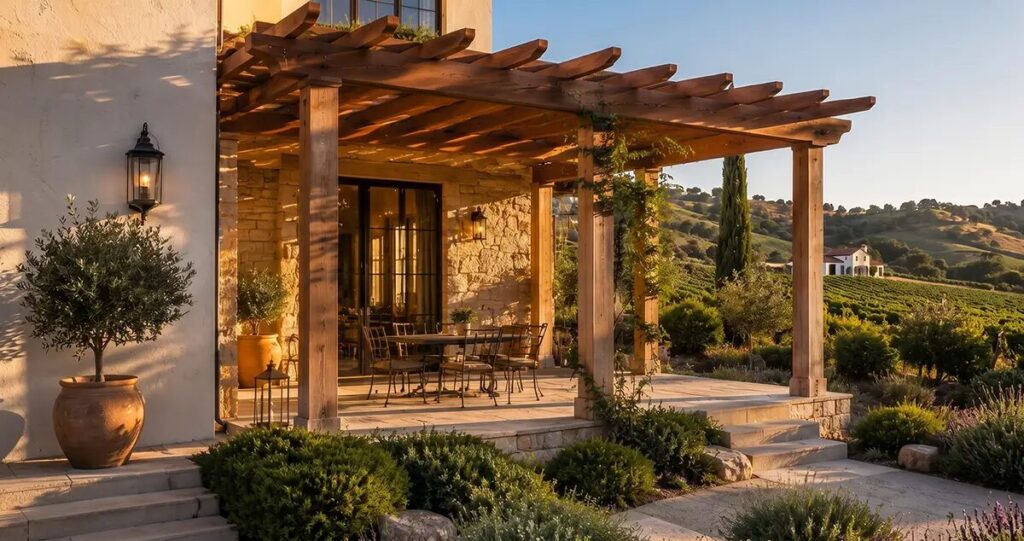
Beyond Architecture: Designing a Complete Living Environment
Exceptional homes are not created through a series of isolated choices. They emerge from a design process that views the property as an interconnected system, where architecture, landscape, environmental conditions, and human experience are considered together.
The relationship between the building and its site influences everything from daylight access and thermal comfort to privacy, circulation, and long-term maintenance requirements. When these factors are evaluated collectively rather than sequentially, the resulting design achieves a level of coherence that is difficult to replicate through piecemeal decision-making.
Ultimately, successful residential design is not measured solely by aesthetics. It is measured by how effectively a home supports daily life, responds to its environment, and continues to perform over decades of use. An integrated planning approach lays the foundation for that outcome, transforming a collection of design elements into a truly enduring place to live.
