
What Are Rapid Rooter Plugs?
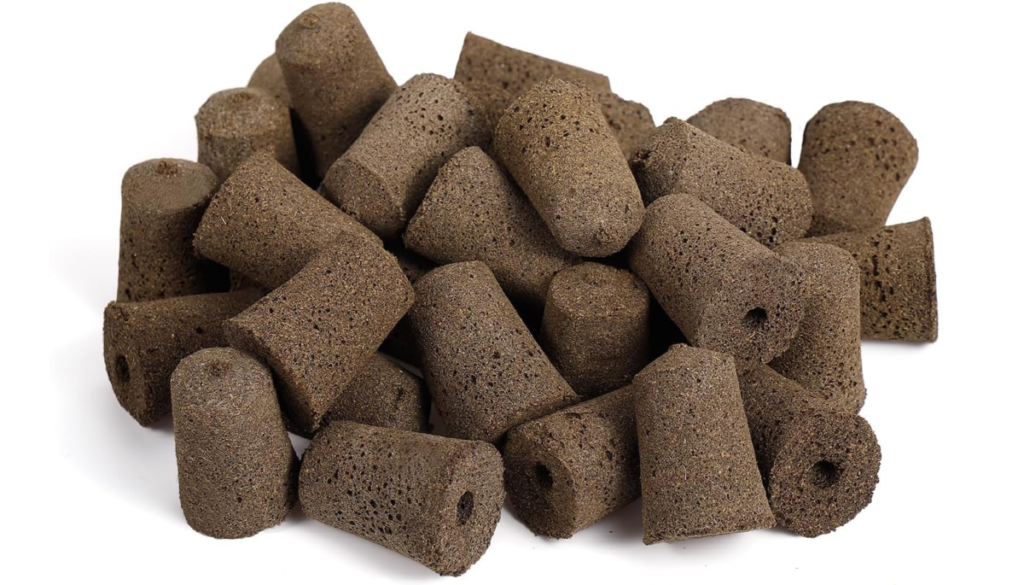
Rapid Rooter plugs offer a great benefit to plants thanks to their soil-free composition. These innovative plugs are crafted from sphagnum peat moss, held together by a plant-based foam. Gardeners find them incredibly useful for nurturing both seeds and young roots. Their versatility allows them to be used effectively in traditional soil environments or within hydroponic systems.
Being made with organic components, such as composted tree bark, these plugs are particularly favored by organic gardeners.
Furthermore, their chemically neutral nature provides a stable and ideal environment, promoting rapid and robust root development. These plugs allow for:
- nurturing both seeds and young roots,
- effective use in traditional soil environments,
- effective use within hydroponic systems.
How Do Rapid Rooters Work for Plant Propagation?
These remarkable plugs are excellent for plant propagation. They retain moisture effectively, creating an ideal environment for seeds to germinate and sprout with ease. Their soft, airy organic material not only supports growth but also ensures a consistent water supply for developing seeds. This balanced air-to-water ratio significantly accelerates germination and encourages the development of extensive, strong root systems – a crucial factor for overall plant vitality.
What Are the Advantages of Using Rapid Rooters?
Rapid Rooter plugs offer numerous advantages, simplifying both plant propagation and seed starting with their ease of use.
These plugs excel at stabilizing new roots and protecting delicate taproots, ensuring their safety during handling. This crucial protection also significantly reduces transplant shock.
Ultimately, young plants can transition more smoothly to their final homes, promoting a smoother change and aiding them in thriving.
Preparing Rapid Rooters for Use
To get the best results from your Rapid Rooter plugs, start by rehydrating them thoroughly; this ensures they have the perfect moisture level for your seeds or cuttings. Once hydrated, establish an ideal environment to support strong germination and healthy early plant growth.
How to Rehydrate Rapid Rooters
For optimal performance, your Rapid Rooter plugs require careful rehydration. Follow these steps:
- Begin by immersing them in pH-balanced water, ideally with a pH around 6, for approximately two hours, a mild nutrient solution can also be effectively used at this stage.
- As they soak, gently submerge and squeeze the plugs about 4 to 5 times, this action ensures thorough flushing.
- Once the soaking period concludes, meticulously remove any excess water, the goal is for the plugs to be thoroughly damp, yet not oversaturated.
This preparation not only enhances their ability to absorb water and nutrients efficiently but also prevents waterlogging, such a meticulous approach provides an excellent foundation for vigorous plant development.
How to Set Up the Germination Environment
Arrange the rehydrated Rapid Rooter plugs within a seedling tray, using an insert to ensure their stability.
If you’re starting from seeds, introduce about 1/4 inch of water into the tray; the plugs will readily soak it up. For clones, however, you’ll want to use 1/2 inch of pH-balanced water, enriched with a mild nutrient solution.
Next, cover the entire tray with a humidity dome to maintain high moisture levels crucial for development. To prevent overwatering, we recommend elevating the tray on a layer of perlite or hydroton. For optimal warmth, set a heating pad to a comfortable 75-80°F.
Illumination is key, so use 6500K fluorescent or CFL grow lights. Position them close to the plugs to prevent the seedlings or clones from stretching excessively. A small closet can also serve as an effective humid environment for your setup.
How to Use Rapid Rooters for Seed Germination
Rapid Rooter plugs are excellent for kick-starting seed germination. You can either pre-sprout your seeds, perhaps using the readily available paper towel method, and then gently insert the tiny root into the plug. Alternatively, simply plant unsprouted seeds directly into the plugs.
To utilize Rapid Rooters effectively, follow these steps:
- Begin by thoroughly wetting the plugs.
- Place one to three seeds into the designated hole within each plug. This practice increases your chances of successful germination.
- If you’re working with pre-sprouted seeds, carefully guide the root downwards into the plug. For new seeds, gently press them into the plug and cover them lightly with some plug material or a similar medium. This step ensures darkness, which is crucial for successful sprouting.
Once your seeds have sprouted, providing adequate light is essential for robust growth. Position 6500K fluorescent lights or CFL grow lights close to the plugs. This prevents seedlings from becoming leggy and stretching too much. For new seedlings, maintain a lighting schedule of 16-18 hours daily.
Warmth plays a significant role in successful seed germination. A steady temperature is vital; aim for a consistent range of 75-80°F (24-27°C). This stable warmth not only aids in optimal sprouting but also contributes to the early development of strong seedlings.
Proper watering is crucial for your Rapid Rooter plugs. Keep them consistently moist, but be careful not to overwater. The plugs should feel damp to the touch. You can achieve this by misting them frequently or by maintaining approximately 1/4 inch of pH-balanced water in the seedling tray. The plugs will then absorb the necessary moisture from the tray.
How to Use Rapid Rooters for Cloning
Rapid Rooter plugs are excellent for plant propagation, making the cloning process more straightforward and encouraging rapid root development in cuttings.
To begin, select a robust plant and carefully snip a 2-4 inch section with a 45-degree angle cut at the base. Remove all leaves from the bottom inch of this cutting, creating a bare stem that will be inserted into the plug. For an added boost, some growers apply rooting gel to this section, which can further stimulate root growth.
Next, thoroughly moisten the Rapid Rooter plugs, then gently squeeze out any excess water. Carefully insert each prepared cutting into a plug’s pre-drilled hole, ensuring the cut stem is fully enclosed and makes contact with the plug’s material.
A successful rooting environment is crucial for your clones. Maintain a consistent temperature between 75-80°F (24-27°C) and use a humidity dome to keep moisture levels high. Provide 16-18 hours of light daily using 6500K fluorescent or CFL bulbs. Once you observe roots emerging, the plugs are ready to be transferred, either into an aero cloner or directly into your chosen growing medium.
How to Transplant Plants from Rapid Rooters
Successfully rooted seedlings or clones in Rapid Rooters require careful transplanting. This crucial step demands precise timing and good execution, ensuring their continued health and robust growth.
When to Transplant Rapid Rooter Plugs
Seedlings or clones are primed for relocation once their taproot becomes visible, either at the bottom or along the sides of the plug. This typically occurs as their first true leaves emerge, following the initial seed leaves. Many plants reach this stage within about a week after their first leaves unfurl, though some may require up to three weeks to develop a robust root system. Prompt transplanting is crucial to prevent root entanglement and encourage vigorous growth in their new environment.
How to Carefully Transplant Seedlings and Clones
When it’s time to transplant your seedlings, always handle them with a gentle touch; their roots are quite delicate.
Carefully place the plug, plant and all, into its new home. This could be a larger pot, a fabric pot, or even a hydroponic system, depending on your setup.
Occasionally, you might find that the roots are having trouble pushing through a dense plug. If this happens, a gentle tear in the plug will create more room for them to expand.
Before you even think about moving the plant, make sure the new soil is well-prepared. Immediately after transplanting, give the plant a good watering.
This crucial step helps minimize transplant shock and encourages healthy root growth, ultimately keeping your plant robust and thriving.
Storing Unused Rapid Rooter Plugs
Want to keep your Rapid Rooter plugs doing their job effectively? Good storage is key! It prevents them from drying out or molding, ensuring they’re always ready for planting seeds or cloning.
To store them correctly, simply take any new Rapid Rooter plugs out of their original package and place them in a large, sealable plastic bag or an airtight container. This helps maintain their moisture levels. Once sealed, find a cool, dark place for them, like a cupboard or drawer, and make sure they’re away from direct sunlight.
You might be wondering if Rapid Rooters can spoil, and the answer is yes, they can if not stored properly. Exposure to air can quickly dry them out, while too much moisture and light can lead to mold or bacterial growth. By following these simple storage tips, you’ll ensure your plugs remain effective and don’t go bad, ready for your next planting project.
Addressing Common Rapid Rooter Questions
Your seedlings will typically thrive in Rapid Rooter plugs for one to three weeks. During this time, you’ll actually be able to observe their roots as they elegantly grow through the plug material.
It is crucial to avoid overwatering your Rapid Rooters. Excessive moisture starves young roots of vital oxygen, leading to detrimental root rot and stunted growth. Keep an eye out for any foul odors or green spots, which signal algae growth. Your goal is to keep the plugs consistently moist, but never soggy, to prevent these problems.
Rapid Rooters are indeed an excellent choice for organic gardening. Crafted from composted tree bark and other organic materials, their natural composition makes them a truly sustainable and eco-friendly option.
While Rapid Rooter plugs and other growing cubes both facilitate plant development, their compositions set them apart. Rapid Rooters are distinguished by their use of organic materials, such as sphagnum peat or tree bark, which strikes an optimal balance of air and water for the roots. In contrast, other products like Rockwool or oasis cubes are synthetic and inert.
How Long Should Seedlings Remain in Rapid Rooter Plugs?
Waiting too long to transplant seedlings can lead to various problems. Optimal timing is crucial, especially for seeds started in Rapid Rooter plugs; ideally, they should be moved about one week after sprouting. A key indicator is the taproot: once it’s visible, it’s time to act. Prolonged stays in the plugs can hinder growth, and inadequate light can cause seedlings to stretch and become weak, ultimately affecting the plant’s overall health. Therefore, timely transplanting is essential; once roots are established, move them to foster strong, healthy plants.
What Are the Risks of Overwatering Rapid Rooters?
Overwatering, especially when using Rapid Rooter plugs, can severely damage your plants. When these plugs become waterlogged, they restrict the oxygen supply crucial for root development, leading to issues such as poor germination and root rot. Essentially, your seeds or young seedlings can drown.
Beyond direct root damage, excessive moisture fosters undesirable growth, including algae or mold on the plugs. To prevent these problems, maintain consistent moisture without ever letting the plugs become waterlogged. A highly effective method to achieve this is through bottom-feeding techniques.
Are Rapid Rooters Organic and Sustainable?
Rapid Rooter plugs are both organic and sustainably produced. Their distinctive natural composition forms a chemically inert growing medium, ensuring they are safe for use and beneficial for the planet. Opting for these plugs is a responsible choice for cultivating plants.
Are Rapid Rooter Plugs and Cubes the Same Product?
The terms “Rapid Rooter plugs” and “cubes” are interchangeable, both referring to the same product engineered for optimal plant propagation. These effective aids are ideal for germinating seeds or cloning plants.
Each plug measures approximately two inches in height and one and a half inches in width, specifically designed to fit perfectly into standard seedling trays. These trays are commonly available with 72 or 36 cells, ensuring broad compatibility and ease of use.
