
- Why Healthy Soil Is the Foundation of a Low-Effort Lawn
- What Are Smart Mowing Techniques for a Healthy Lawn?
- Can Automated Mowing Reduce Your Lawn Care Workload?
- How to Water Your Lawn Efficiently
- How to Feed Your Lawn and Crowd Out Weeds
- How to Repair Problem Areas and Stay Ahead of the Seasons
- What Are Realistic Expectations for a Low-Effort Lawn?
- Similar posts:
Why Healthy Soil Is the Foundation of a Low-Effort Lawn
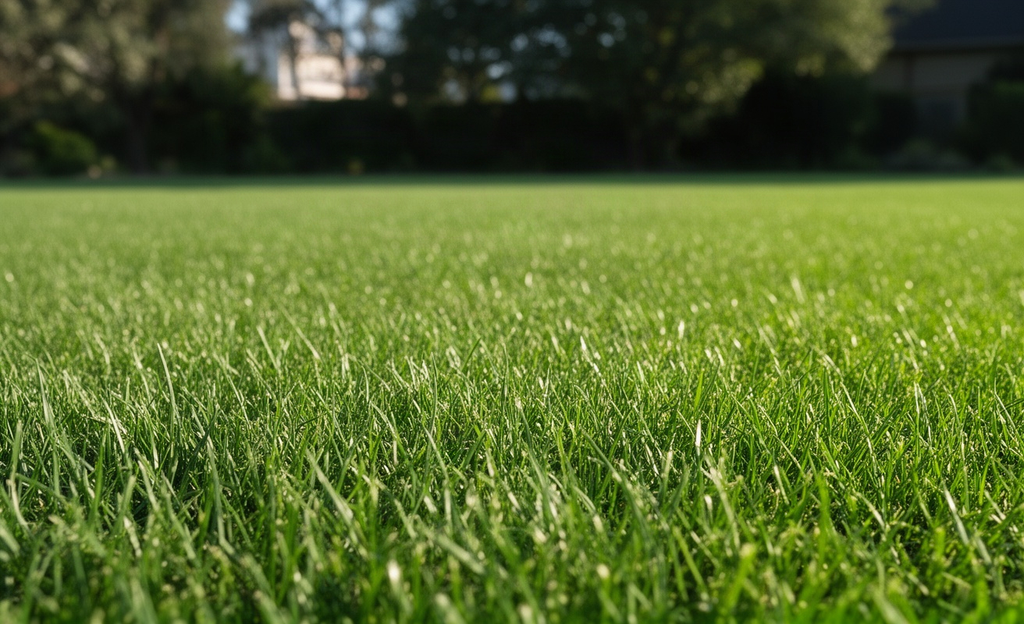
A low-effort lawn starts with healthy soil. Good soil feeds the grass, giving it the nutrients it needs to grow strong. When soil has plenty of organic matter and microorganisms, the turf grows thick and can fight off pests and weeds. This means you won’t need as many pesticides or other treatments. The result is a lawn that’s good for your family, your pets, and local wildlife. You get a healthy lawn with less work – just feed the soil, and the grass takes care of itself.
How to Test Your Soil’s pH and Nutrient Levels
A soil test tells you your soil’s pH and how many nutrients it has. Most grasses like soil that’s a little acidic – somewhere between 6 and 7 on the pH scale. Testing shows if your soil is too acidic or too alkaline. This helps you decide if you need to add things like lime or sulfur.
The test also points out if your soil lacks key nutrients, like nitrogen, phosphorus, or potassium. It even checks the organic matter content. All this data is vital for picking the right soil fixes and making your soil more fertile.
What Amendments and Organic Matter Actually Improve Soil?
Compost, an organic material, makes soil better and feeds your lawn. Earthworms, good fungi, and tiny organisms break down thatch and loosen the soil. These small creatures are key to healthy dirt. Is your soil too acidic? Lime can fix drainage or fertility problems. Using organic or eco-friendly fertilizers also protects the soil and the environment.
What Are Smart Mowing Techniques for a Healthy Lawn?
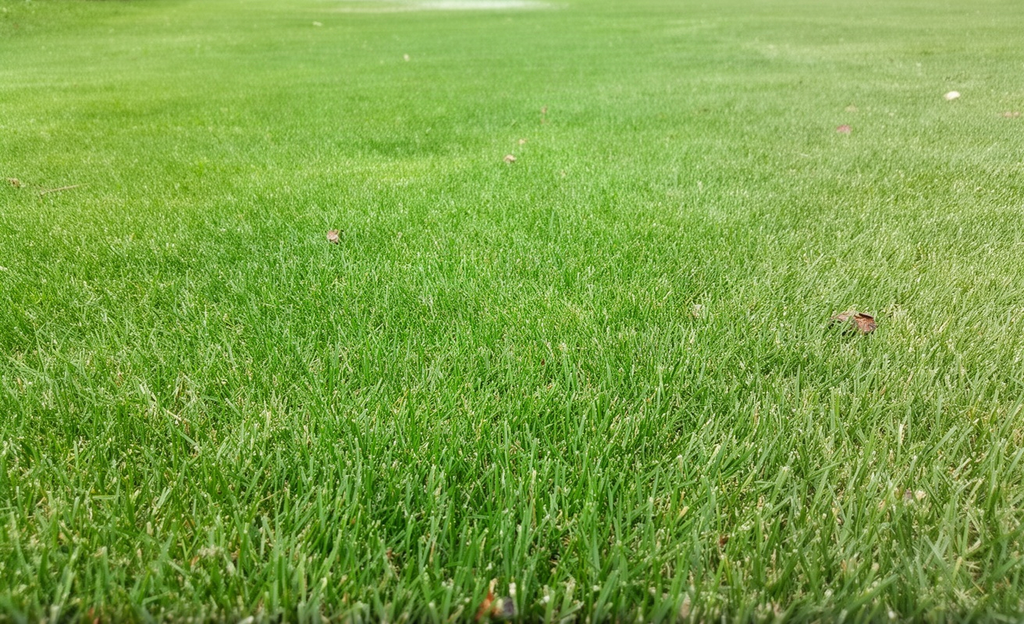
Mowing does more than keep a lawn tidy. It’s key to its health. Good mowing helps grass grow, stops weeds, and keeps bugs away. You should mow your lawn when it needs it – not on a fixed weekly schedule. Grass grows fast in spring and slows down in midsummer heat, so let the lawn tell you when it’s time.
The one rule that matters most: never cut more than a third of the grass blade at once. Taking off more than that shocks the plant, forces it to burn stored energy regrowing leaf instead of root, and leaves it weaker for weeks afterward.
What Is the Ideal Mowing Height for Your Grass Type?
Most lawns do well when cut to 2.5 to 3.5 inches, but it really depends on the type of grass you have. Cool-season grasses like fescue and Kentucky bluegrass prefer the upper end of that range. Warm-season grasses such as bermuda and zoysia can handle a shorter cut, closer to 1.5 to 2.5 inches. Set your mower deck once you know which type you’ve got, and leave it there.
How Does Mowing High Prevent Weeds and Pests?
Taller blades mean more surface area for photosynthesis, which gives the plant more energy to push roots deeper. Deeper roots reach water further down, so the lawn holds up better in drought and heat.
The extra height also shades the soil surface. That blocks the sunlight weed seeds need to germinate and slows water evaporation, so you water less often. A thick, tall lawn fights off weeds and pests on its own – no products required.
Why Do Sharp Blades and Grass Clippings Matter?
Sharp mower blades keep your lawn healthy. They slice grass cleanly, letting it grow back without stress. Dull blades, though, rip the grass. This leaves ragged brown tips and opens the plant up to disease and pests. Sharpen your blade at least once a season.
You should also consider leaving grass clippings on the lawn – a practice called grasscycling. Clippings are mostly water and break down within days, putting nitrogen back into the soil. Over a full season this can cover a meaningful share of your lawn’s nitrogen needs, so you fertilize less. It’s free, it takes zero extra effort, and it keeps yard waste out of the landfill.
Can Automated Mowing Reduce Your Lawn Care Workload?
Robot lawn mowers can really lighten your load. These machines keep a steady mowing schedule, needing very little from you. Instead of one long session every weekend, the lawn gets trimmed a little at a time – which happens to be exactly what the “never cut more than a third” rule asks for. It’s a simple way to get a healthy lawn without all the fuss. If you want to see how these machines fit into a low-maintenance routine, LawnRobotHQ.com covers how they work and what they cost.
How Do Robot Lawn Mowers Work?
Robot lawn mowers stay within a boundary, often a wire laid around the edge of the lawn, though newer models use GPS or onboard cameras instead. Sensors guide them across the grass, helping them avoid obstacles and return to their charging station when the battery runs low. You can set them to mow on a schedule, so the work happens while you’re at work or asleep.
Why Does Frequent Micro-Cutting Improve Grass Health?
Robot mowers “micro-cut” – they trim just a small part of each blade, but they do it every day or two. This frequent, light cut stresses the lawn far less than removing a week’s worth of growth in one pass. The grass never has to spend energy recovering, so it puts that energy into growing thicker and stronger instead.
The clippings are another benefit. They’re so fine they disappear into the turf immediately, feeding the soil the same way grasscycling does – just continuously, and with no clumping.
What Size, Terrain, and Features Should You Check Before Buying?
Before you buy a robot mower, look at your lawn’s size, how it’s shaped, and what features you want. Got a big yard? Pick a model with a long-lasting battery and a wide cutting path. If your lawn has slopes or obstacles, get a mower rated for tough ground – most list a maximum incline in the specs. Some models have rain sensors that send them home when it’s wet, or connect to your smart home for simple control. If you want to compare specific models side by side, this breakdown of robot lawn mowers sorts them by lawn size and terrain.
How to Water Your Lawn Efficiently

A healthy lawn needs proper watering, and the best approach is to water deeply but not often. This helps roots grow down instead of sideways, making your grass far better at handling dry spells. Too much water is its own problem – it pushes oxygen out of the soil and invites disease. So water smart, not constantly.
Why Is Deep, Infrequent Watering Best?
Water your lawn deeply, but not often. This trains grass roots to grow far down into the soil, building strong root systems. Those deeper roots pull water and nutrients from lower soil layers, making your lawn tougher when rain stops coming.
Lawns watered lightly and often stay shallow-rooted. They depend on you, and they struggle the moment it gets dry. A healthy lawn with deep roots can go dormant and survive up to four weeks without water, greening back up when rain returns.
How Much Water Does Your Lawn Need, and When?
Aim for 1 to 1.5 inches of water each week, rainfall included. Deliver it in one or two deep sessions rather than daily sprinkles. That’s enough to soak the top 6 to 8 inches of soil, which is where you want the roots.
Water early in the morning, before 10 a.m. Less water evaporates in the cool air, and the blades dry before evening, which keeps fungus from taking hold. Use a rain gauge to track what falls naturally, then adjust your sprinklers. Water when the lawn needs it, not on a set timer.
How to Feed Your Lawn and Crowd Out Weeds
Feeding your lawn right makes it strong and keeps weeds out. The real goal is to feed the soil, not just the grass itself. Good soil delivers nutrients steadily, helping grass grow thick – and thick grass handles the weed problem for you. Using organic or eco-friendly fertilizers also protects the ground and the water that runs off it.
Why Slow-Release Fertilizer Beats Frequent Feeding
Slow-release fertilizers feed grass a steady diet of nitrogen, phosphorus, and potassium over several weeks. Quick-release synthetics dump everything at once. The lawn responds with a burst of soft top growth, then runs out and needs feeding again a few weeks later.
That surge growth is weak growth – more prone to disease, and it means more mowing for you. Excess nitrogen the grass can’t use washes into storm drains and waterways as nutrient runoff. With slow-release, two applications a year is usually enough: once in spring, once in fall. Less product, less work, better lawn.
How Does a Thick Lawn Naturally Suppress Weeds?
A thick, healthy lawn keeps weeds down without any herbicide. Dense grass shades the soil, blocking the sunlight weed seeds need to germinate. Weeds that do sprout have to compete for space, water, and nutrients against established turf – and they usually lose. Strong grass with deep roots simply outcompetes them, which means your lawn looks good with less effort from you.
How to Repair Problem Areas and Stay Ahead of the Seasons
You need to fix problem spots and adjust care with the seasons to keep a lawn healthy. Soil gets packed down over time, and thatch builds up. Both stop air, water, and nutrients from reaching the roots, and no amount of watering or fertilizing fixes a lawn that can’t absorb either one.
When Do You Need Aeration, Dethatching, or Overseeding?
A damaged lawn can recover with aeration, dethatching, and overseeding. Aeration, done in fall or spring, pulls plugs out of compacted soil so air, water, and nutrients can get to the roots. Dethatching removes the layer of dead stems and runners that builds up at the soil surface – use a thatching rake for small patches, or a vertical mower for a whole lawn. Overseeding means spreading fresh seed to thicken thin areas, and it works best right after aerating or dethatching, when the seed can reach bare soil.
What Are the Two Tasks That Matter Most Each Season?
Fall brings the two most valuable jobs of the year: aeration and overseeding. Warm soil and cool air are ideal for germination, and new grass has months to establish before summer. In spring, focus on fertilizing and pre-emergent weed control, applied before soil temperatures hit the point where crabgrass sprouts. Summer is for mowing high and watering deeply. Winter is mostly for staying off frozen turf and clearing debris.
What Are Realistic Expectations for a Low-Effort Lawn?
A low-effort lawn looks good and stays healthy, but it won’t be flawless. You’ll see some weeds and a few bugs, and that’s fine. The goal is a lawn that functions well, shrugs off serious problems, and is safe for kids and pets – with less work and fewer chemicals.
Good habits prevent most issues before they start: mow high, water deeply, feed twice a year, aerate and overseed in fall. A varied yard – different plants and grass types rather than a single-species monoculture – is more resilient, because one pest or disease can’t take out everything at once. Protecting beneficial insects keeps that ecosystem strong too. Set realistic goals and a little care goes a long way. You can have a healthy lawn without constant fuss.
