
Sourcing plants for a large landscape project is nothing like buying for a backyard bed. One commercial job can call for hundreds of matched shrubs, dozens of specimen trees, and a delivery window that lines up with a crew already standing on site. Get it wrong and the whole schedule slips. That’s why contractors work with a specialist like Tree Source, an online tree nursery and sourcing network – they supply plant material through an extensive network of professional growers, so crews get what the design actually calls for instead of settling for whatever sits in stock nearby.
This guide walks through the whole process: how wholesale nurseries and brokers work, how to judge plant quality, how to plan around budgets and availability, and how to get material to the job site in good condition.
- What Are Wholesale Nurseries for Large Landscape Projects?
- How to Select High-Quality Plant Material for Large Landscapes
- What Are Key Considerations for Planning Plant Sourcing?
- What Are Best Practices for Plant Delivery and Logistics?
- What Are the Benefits of Sourcing Plants from Wholesale Nurseries?
- What Common Mistakes Should You Avoid When Sourcing Plants?
- Similar posts:
What Are Wholesale Nurseries for Large Landscape Projects?
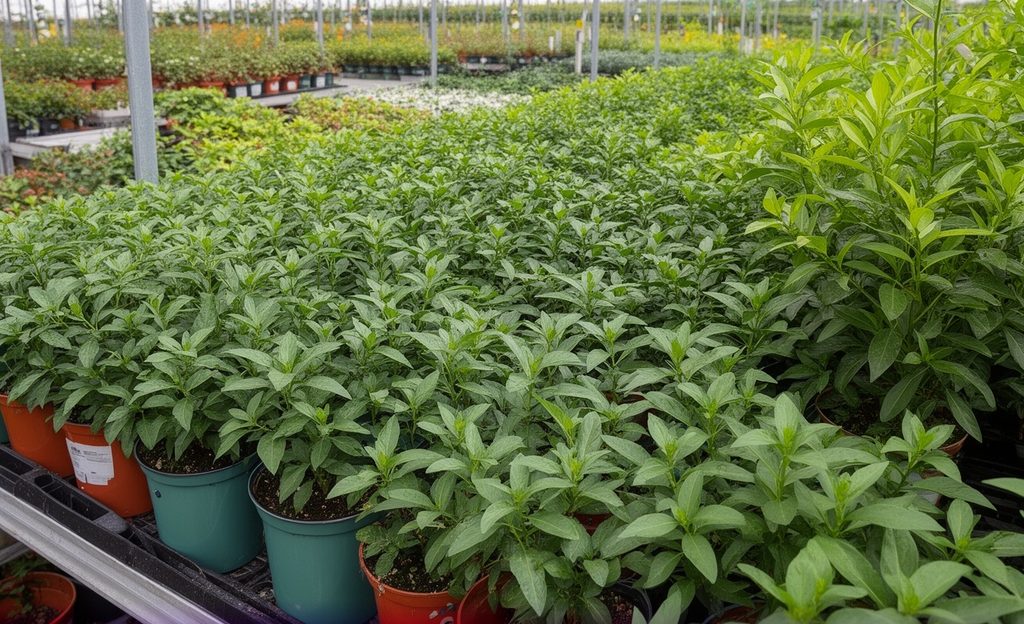
Wholesale nurseries grow or find plants in large quantities. They mostly sell to landscape contractors, developers, and other pros working on big projects. These nurseries have more plant types, better quality, and lower prices than regular garden stores.
They are key for getting plants and managing landscape jobs well. They make sure many kinds of plants are ready – trees, shrubs, grasses, and perennials. Often, these nurseries have horticulturists who give advice on picking, caring for, and placing plants. They keep a good stock of plants, sometimes using a network of growers to find rare ones.
What Types of Wholesale Nurseries Supply Large-Scale Projects?
Wholesale nurseries supply plants to a wide range of clients. Builders, developers, and even city projects rely on them. Golf courses, country clubs, and contractors for site and property maintenance also buy from these nurseries, as do landscape architects.
These nurseries offer consistent, uniform plants for big jobs – think long hedge rows, privacy screens, or mass plantings. You can find container-grown plants, balled-and-burlapped (B&B) stock, and hand-dug options. Some growers stay narrow, running a short list of species and focusing hard on plant uniformity. Others work as full-line suppliers, carrying premium plants with clear pricing and easy-to-check inventory.
How Do Rewholesale and Service Centers Fit In?
Rewholesale and service centers make it easier to get plants and materials. They stock quality items and keep inventory simple. They act like a local nursery, delivering good products without fuss. Contractors lean on them for quick pickups, smaller top-up orders, and material needed in a hurry – no waiting on a shipment from a grower three states away. Tree Source is built this way. It’s a wholesale tree nursery that grows on its own production farms, sources from a wide network of partner growers, and stocks regional service centers – so crews always have somewhere close by to pull from mid-project.
How Do Plant Brokers Assist in Sourcing for Big Projects?
Plant brokers find and supply plants for big landscape jobs. They work as middlemen. Brokers tap into large networks of growers and suppliers – people they trust – to locate specific plants, even rare ones. This gives them a clear picture of what’s available now and helps them suggest good sources.
Brokers also handle complicated shipping. They manage nationwide deliveries and export services, dealing with customs rules and paperwork for international orders. They are key to getting projects done, winning bids, and finding materials. They offer brokerage services for both plants and dry goods. You can count on them for good coordination and smart ways to stay within project budgets.
How to Select High-Quality Plant Material for Large Landscapes
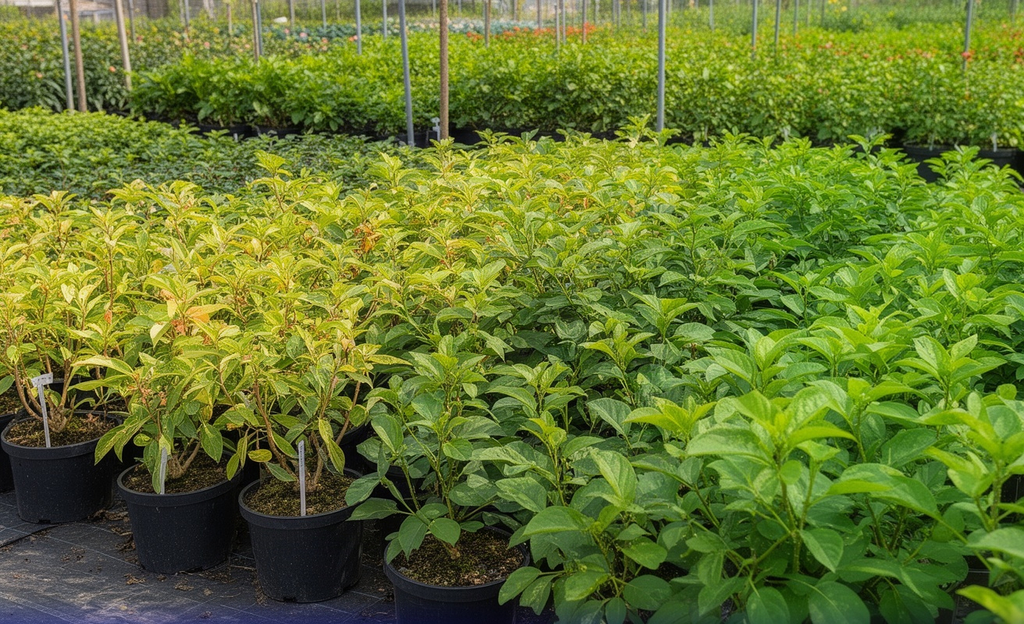
Picking good plants is key for big landscape projects to last. You need to check them carefully, making sure they all look the same in size and how full they are. Horticulturists – plant experts – give advice to help choose the right ones.
What Factors Determine Plant Quality and Health?
Many things decide a plant’s health. Plants should have strong stems, green leaves, and roots that are well-grown. Look for leaves that are bright and even in color. Make sure there are no signs of sickness, bugs, too much water, or not enough food.
Nurseries keep plants healthy with strict quality control and Integrated Pest Management (IPM). This approach stops pests and diseases before they start. It means strong, disease-free plants for customers.
Workers check plant quality at every stage – from tiny seedlings to full-grown trees. The aim is simple: provide plants that take root fast and grow well. This ensures they perform over many years. Nurseries also work to avoid running out of plants and make sure deliveries arrive on time.
How Does Climate Matching Impact Plant Selection?
Matching plants to the right climate is critical for any landscape project. It helps plants grow well over time. The USDA Plant Hardiness Zone Map guides this process, considering things like coastal air, strong winds, and salty conditions. Picking native plants or those that handle drought – they already fit the local environment – cuts down on upkeep and makes the project more sustainable. This careful thought at the start ensures plants perform their best and survive, avoiding issues from bad choices later on.
What Are Common Plant Forms for Large Projects?
Big projects often use different kinds of plants.
Container-grown plants are cheap and take root fast. You can use them for many things. Balled-and-burlapped (B&B) plants – larger trees or shrubs – make an instant visual statement. They cost more and need more work to put in.
Hand-dug stock offers another choice for mature plants. Seedlings and plugs save money for big groundcover or mass plantings, but they grow slower. The type of plant you pick changes how you get the site ready and how long the project takes.
What Are Key Considerations for Planning Plant Sourcing?
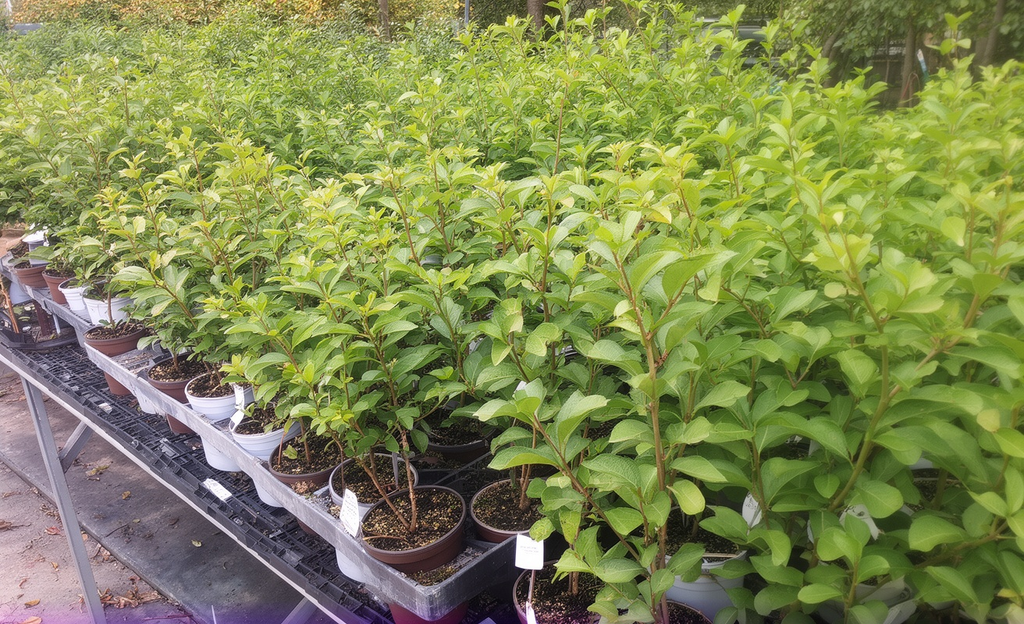
Planning well is key when getting plants for large landscape jobs. You need to think about budgets, what plants are actually available, and how to manage orders efficiently. Start by matching your plans to the landscape design itself – this makes sure plants fit the space and grow well over time.
Timelines matter a lot. You need real solutions and sourcing choices that can keep up with project needs. Digital sourcing platforms can make this easier. They give live updates on what suppliers have in stock. They also help combine orders, so you get one invoice even if you buy from several regional suppliers.
How Do Project Budgets Influence Sourcing Decisions?
Plant sourcing often comes down to budget. Saving money is always a top concern. Wholesale nurseries offer better prices and bulk discounts, which cuts costs compared to buying retail. The plant’s form also matters – seedlings cost less than balled-and-burlapped trees, for example.
Good budget management means looking closely at where materials come from and how long they take to arrive. This helps secure quality plants without overspending. Knowing competitive prices and checking different suppliers is key to keeping any project on budget.
What Role Does Plant Availability Play in Project Timelines?
How quickly plants arrive directly impacts project schedules. If certain plants are late, installation gets delayed, and labor costs go up. Digital platforms now give real-time updates on supplier stock – a key tool for planning. Nurseries with good regional grower connections can prevent shortages and even find unusual plants. This keeps timelines reliable. Contractors need to manage plant orders actively and coordinate logistics well, making sure plants show up exactly when the project needs them.
How Do You Manage Plant Orders for Large Projects?
Large projects demand a clear plan for plant orders. Digital tools let contractors build a complete plant list. These platforms show live availability and pricing from many suppliers. This simplifies ordering, gets competitive prices, and provides one invoice for all plants – even from different vendors. Good communication with suppliers and experienced oversight are key to hitting all project details.
What Are Best Practices for Plant Delivery and Logistics?
Healthy plants and successful projects depend on good delivery and logistics. This means careful planning, reliable shipping, and getting plants to the job site on time. Someone experienced should watch over loading and transit, making sure plants don’t get hurt. That’s quality control.
You need dependable delivery times to keep projects from falling behind. For big jobs, specialized refrigerated trucks help keep plants in top shape. Everyone involved – the nursery, the shipping company, and the job site – must talk clearly, from the first plan to the final drop-off.
This is the point where a good supplier earns their fee. Tree Source handles direct shipping from the farm to the job site and the logistics coordination behind it, so landscapers, contractors, and commercial project teams aren’t chasing three carriers at once. Flexible service options – full loads, partial orders, or pickup from a regional service center – let crews match deliveries to how the job is actually phased. Reliable delivery and streamlined project planning are what keep installation crews working instead of waiting.
How to Coordinate Delivery to the Job Site
Getting deliveries to a job site takes careful planning and clear talk. Shipments need to line up with when the site is ready and when plants will go in. The site itself must be set up to receive and manage the plants. You need clear directions for how to get in, where to unload, and who to call.
On big jobs, a well-coordinated delivery means plants show up in great condition, ready for immediate planting. This helps them thrive over time. Good delivery keeps projects on track.
What Are Important Considerations for Shipping Services?
Shipping live material takes careful planning. You must pick reputable carriers; they ensure plants arrive healthy. For long trips or delicate varieties, specialized refrigerated transport keeps them in good shape.
Shipping internationally? Understanding customs rules and having the right paperwork is key. Some plant brokers offer nationwide shipping and export services, handling complex routes for you. The right shipping company is vital for keeping plants healthy as they travel.
How Do You Protect Plant Health During Transit?
Several steps protect plant health on the road. This means careful loading and unloading, proper packaging, and keeping the right environmental conditions.
Refrigerated transport prevents heat stress or freezing. Secure strapping minimizes physical damage. Experienced oversight and quality control are vital from the nursery to the job site. Aftercare instructions help plants thrive post-installation. This approach protects your investment in quality plant material.
What Are the Benefits of Sourcing Plants from Wholesale Nurseries?
Wholesale nurseries offer many benefits for big landscape jobs. Buying in bulk saves money, for one. It also ensures all plants look the same, creating a consistent design. You get a huge selection of quality plants, too.
These nurseries also give good advice and know what’s available right now. They deliver reliably, making it easier to get plants when you need them. This helps project budgets and builds lasting relationships through discounts and warranties. It makes landscape projects more successful and efficient.
How Does Bulk Buying Lead to Cost Savings?
Buying plants in bulk from wholesale nurseries saves a lot of money. Nurseries give big discounts, sometimes cutting prices by half compared to retail stores. This helps keep project budgets in check and boosts profits.
Bulk orders also mean fewer small purchases, which cuts down on paperwork. Shipping costs per plant drop too. Contractors can get many plants this way without spending too much.
How Does Sourcing Ensure Plant Uniformity?
Getting plants from good wholesale nurseries means they’ll all look the same. That’s key for big landscaping jobs. The better growers focus on giving you plants that are consistent in size and how full they are. This really matters for hedges, screens, and large groups of plants. They get this uniformity by using standard growing methods, picking good plants, and checking them carefully. This way, landscape architects and contractors can see their designs come to life with reliable, high-quality plants. It helps the landscape last longer, too.
What Common Mistakes Should You Avoid When Sourcing Plants?
To make a landscape project work, you need to avoid common plant sourcing mistakes. Ignoring a nursery’s reputation, ordering too late, or not building good supplier relationships can mean bad plants, no stock, late deliveries, and higher prices. Good planning, smart supplier choices, and clear talks stop most of these problems before they start.
Why Is Nursery Reputation Important?
A nursery’s reputation matters. It directly impacts how healthy, good, and reliable your plants will be. A good nursery belongs to professional groups and uses smart growing methods. They handle pests well, often with Integrated Pest Management (IPM), and they fight diseases hard. These nurseries check quality carefully. Many even give warranties for big orders. This means you get top-notch plants, cutting down on risks and project delays.
Why Does Ordering Too Late Cost You?
Ordering late creates several issues. You might find fewer plants available, meaning you settle for lower quality or pay extra for a rush. This often leads to stock shortages. Then the project gets delayed, driving up labor and equipment costs. Getting your orders in on time is key for smooth project management and saving money.
Why Build Long-Term Relationships with Suppliers?
Building long-term supplier relationships offers big advantages. You get loyalty discounts and seasonal deals, which helps project budgets. These connections also mean priority access to rare plant varieties. Need a specific plant? You’ll likely get it.
Better communication brings dependable timelines and custom support. Suppliers understand your needs, offering current availability and sourcing recommendations. This ensures a steady supply of quality plant material and expert advice. Procurement becomes much smoother for all your landscape projects.
