
A garden that once brought a homeowner joy can quietly become a source of stress as mobility changes with age. Beds that require kneeling and bending, uneven paths, heavy watering routines, and a lawn that demands weekly mowing all turn a beloved hobby into a physical burden. The good news is that a garden does not have to be abandoned as someone ages. It usually just needs to be redesigned around what actually works for the person tending it now.
This kind of redesign works best as part of a broader plan for aging in place, one that considers the whole home and the support surrounding it, not just the landscaping. Families working through this transition alongside an HHA services new york provider often find that caregivers notice outdoor hazards that homeowners themselves have stopped seeing, simply because they walk the same uneven path every day and have adjusted to it without realizing how risky it has become.
Garden Features Worth Prioritizing
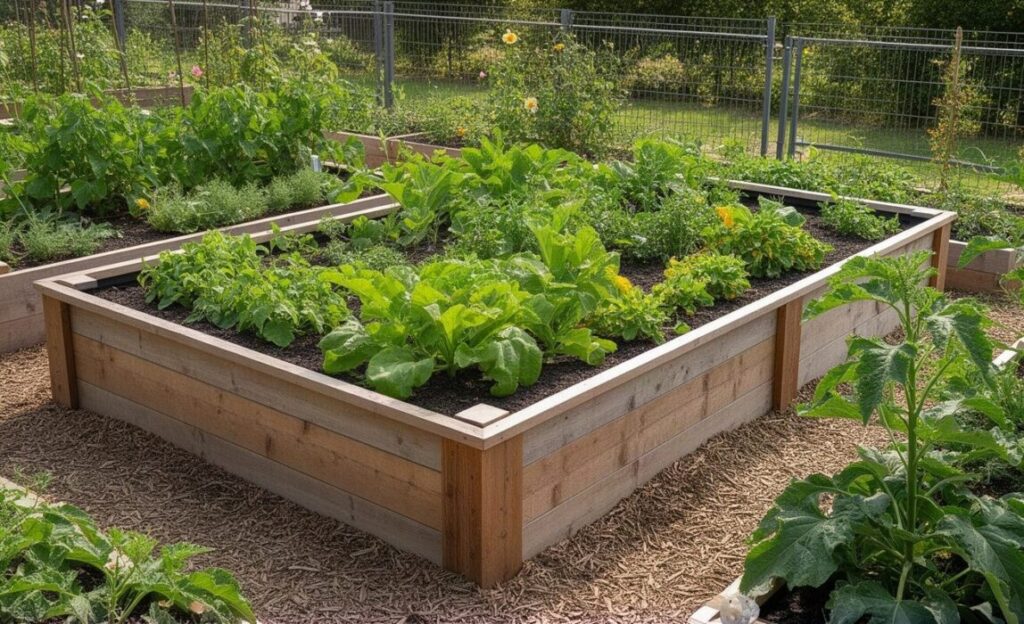
Raised garden beds are the single highest-value change for most aging gardeners. Built at a height that allows someone to tend plants while standing or seated, they eliminate the kneeling and bending that cause the most strain and injury risk in a traditional in-ground garden. They also tend to drain better and require less bending for watering and weeding, which extends how long someone can keep gardening comfortably.
Path surfaces deserve careful attention too. Loose gravel, uneven pavers, and mulch that shifts underfoot all create fall risks that increase as balance and vision change. Firm, level surfaces, ideally with contrasting edges that are easy to see, make a meaningful difference in outdoor safety. Wider paths that accommodate a walker or wheelchair, with gentle slopes instead of steps where possible, extend how much of the garden remains accessible.
Reducing the Physical Demand of Maintenance

Drip irrigation systems on a timer remove one of the most physically demanding and easy to neglect garden tasks entirely. Choosing drought-tolerant, low-maintenance plants over high-upkeep varieties reduces the ongoing work without sacrificing a garden’s beauty. Replacing part of a lawn with groundcover or hardscaping cuts down on mowing, one of the more physically strenuous regular garden tasks for someone with declining strength or balance.
None of these changes require abandoning a garden’s character. Thoughtful plant selection and layout can preserve the feel of a space someone has cultivated for decades while making it dramatically easier to maintain and safer to move through.
The Growing Need Behind This Kind of Planning
The demand for aging-in-place support, both indoors and out, continues to climb. Home health and personal care aides are now the largest single occupation in the United States, a workforce increasingly involved in helping clients maintain the parts of their daily lives, including time spent outdoors, that matter most to their quality of life.
| Metric | Figure |
|---|---|
| Home health and personal care aides, current US workforce | ~4.3 million |
| Projected growth rate (2024 to 2034) | 17% |
| New home care jobs projected this decade | 681,000+ |
| Caregiver turnover rate (2024) | 75% |
Time spent outdoors matters more for wellbeing than people often credit, particularly for older adults who may otherwise spend most of their day indoors. A garden that remains accessible keeps someone engaged with a meaningful hobby rather than losing it entirely to age-related limitations. For more on planning a garden that adapts well over time, our Articles section covers additional design considerations worth exploring as a landscape evolves alongside its owner.
A Garden That Grows Older Alongside Its Owner
The best approach to this kind of redesign treats it as an evolution rather than a loss. A garden built around raised beds, accessible paths, and lower-maintenance plantings can remain a genuine source of joy and purpose well into later life, rather than becoming another task that gets quietly abandoned as mobility changes.
