
- Which Common Fruits Are Man-Made?
- Which Common Vegetables Are Man-Made?
- What Are Man-Made Fruits and Vegetables?
- How Are Man-Made Fruits and Vegetables Created?
- How Do Man-Made Fruits and Vegetables Differ from GMOs?
- Are Man-Made Fruits and Vegetables Safe and Nutritious?
- What Are the Benefits of Creating Man-Made Produce?
- Similar posts:
Which Common Fruits Are Man-Made?
For centuries, humanity has transformed the fruits we consume through deliberate breeding and hybridization. This intervention has profoundly altered many varieties, leading to improved flavor, enhanced cultivation ease, and even the creation of seedless options. The fruits we enjoy today, like bananas, oranges, grapefruits, and lemons, often bear little resemblance to their wild ancestors.
Consider the journey of strawberries, now remarkably sweeter, or watermelons, which have also seen significant enhancements. Seedless grapes have become a household favorite, while peaches are noticeably juicier, and apples delightfully crisper. Beyond these traditional favorites, our ingenuity has even birthed entirely new creations, such as boysenberries and pluots. These examples powerfully illustrate humanity’s enduring impact on the natural world, demonstrating our continuous effort to reshape the very things we eat.
What Is the Origin of Cultivated Bananas?
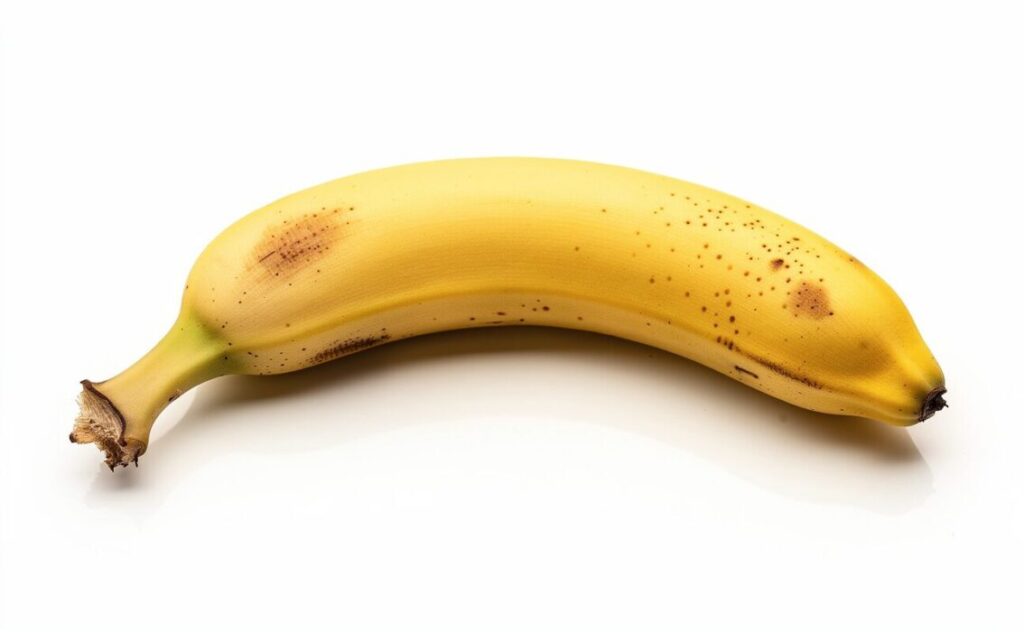
Sweet, seedless bananas, like the familiar Cavendish, hold a fascinating history. This fruit originated in South Asian forests from a natural cross between two wild, seeded types:
- Musa acuminata,
- Musa balbisiana.
Each parent had its drawbacks:
- Musa acuminata offered unappetizing flesh,
- Musa balbisiana was excessively seedy.
However, through human intervention and vegetative cloning, we domesticated and refined this hybrid, transforming it into the delicious, seedless fruit we now enjoy.
How Were Oranges and Other Citrus Fruits Developed?
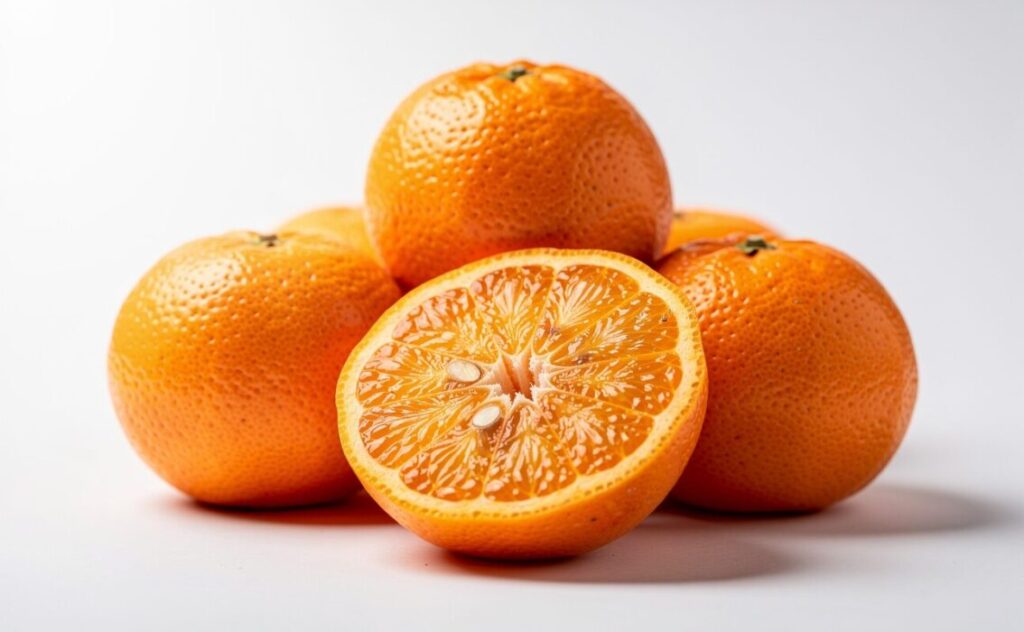
Like bananas, the sweet orange exemplifies humanity’s significant role in shaping fruit development. This widely enjoyed fruit originated from a crucial cross-pollination between mandarins and pomelos. Through millennia of cultivation, this human intervention transformed bitter wild plants into the sweet, palatable citrus fruits we enjoy today.
Our efforts didn’t stop there. This ongoing work has birthed many other common citrus varieties.
- lemons, for instance, are a hybrid of citron and bitter orange,
- similarly, grapefruits owe their existence to a cross between pomelo and the sweet orange.
These examples clearly demonstrate our continuous dedication to cultivating diverse and flavorful varieties. Because these human-made citrus hybrids often look remarkably similar on the outside, using a reliable fruit identifier Botan app helps gardeners and food enthusiasts instantly identify complex crossbreeds and discover their parent species.
How Did Watermelons Change Through Cultivation?
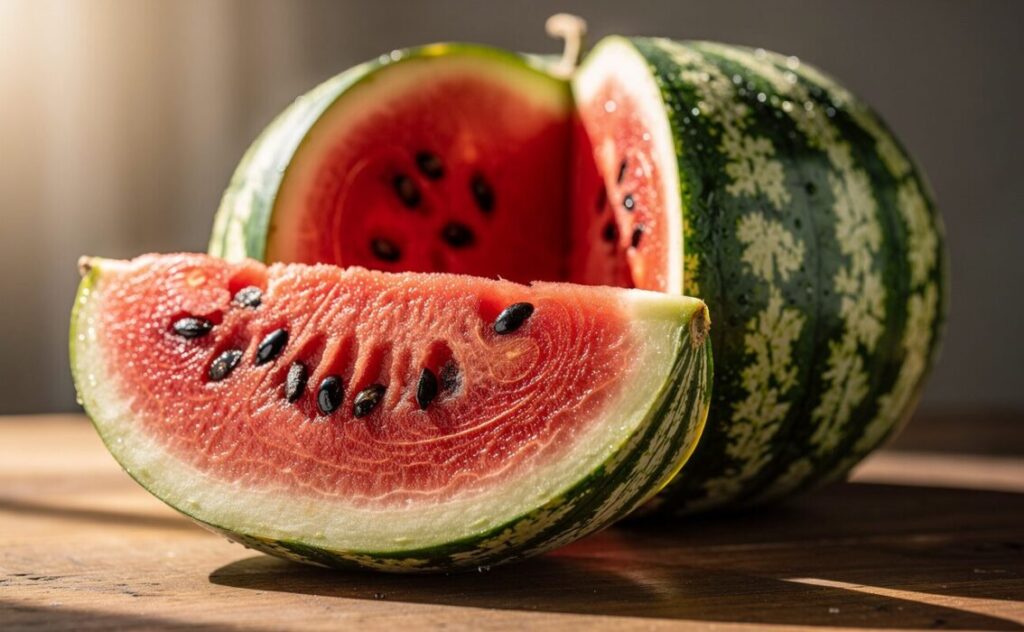
The watermelon, much like other cultivated plants, has undergone significant transformation over time. Early iterations of this fruit were quite distinct; these wild melons were small, measuring a mere two inches in diameter.
Originally, watermelons had characteristics such as:
- a bitter taste,
- numerous seeds,
- a lack of the vibrant red hue we associate with them today.
Ancient Egyptians initiated its cultivation, primarily valuing it for its water content. European farmers later continued these efforts, making substantial advancements by the 17th century.
Through meticulous breeding practices, they successfully developed:
- larger varieties,
- sweeter varieties,
- varieties with fewer seeds,
- the familiar red-fleshed fruit we enjoy today.
What Is the History of Cultivated Strawberries?
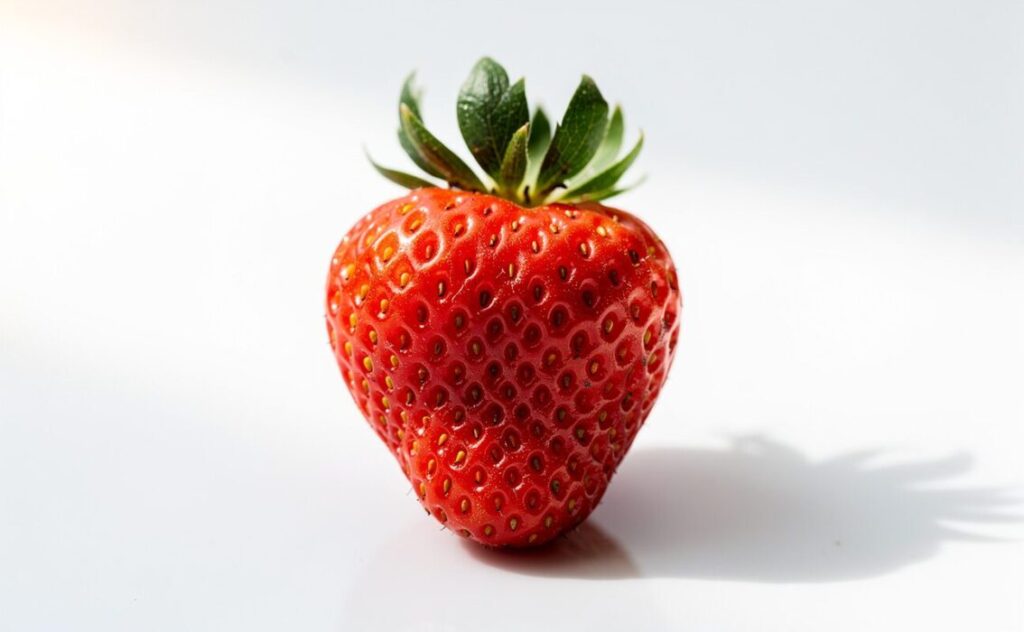
Strawberries, those delightful red berries, boast a rich and fascinating history. Their very existence is a testament to human ingenuity, as they are a hybrid fruit. The journey began in 1764 when Antonie Nicolas Duchesne, through his experiments, crossed a musky male strawberry with a Chilean female. This Chilean parent imbued its offspring with significant size.
This initial hybrid was then further refined by crossing it with the Virginia strawberry. Later, dedicated breeders such as Charles Hovey and James Wilson played crucial roles. They skillfully developed varieties that could withstand diverse climates and resist diseases. Thanks to these persistent efforts, today’s strawberries are both resilient and wonderfully delicious.
How Were Almonds Domesticated?
The almond, a common food often mistaken for a nut, represents a significant human achievement: the transformation of a wild, dangerous plant into a safe, edible staple. Historically, wild almonds were both bitter and highly toxic, containing amygdalin, which converts to cyanide upon consumption.
However, early humans observed that some rare almonds lacked this bitterness and toxicity. This crucial difference stemmed from a fortuitous genetic mutation. Recognizing the value of these sweet variants, people began cultivating them around 12,000 years ago. Through careful selection and focused agricultural efforts, they successfully turned a hazardous plant into the wholesome food we enjoy today.
Which Common Vegetables Are Man-Made?

Similar to our cultivated fruits, many common vegetables are actually products of human ingenuity.
These nutrient-rich staples all originated from wild plants, gradually transformed over centuries through careful selection and development into the diverse, flavorful foods we enjoy today. Such vegetables include:
- broccoli,
- carrots,
- corn,
- cabbage,
- kale,
- cauliflower.
How Did Carrots Become Orange?
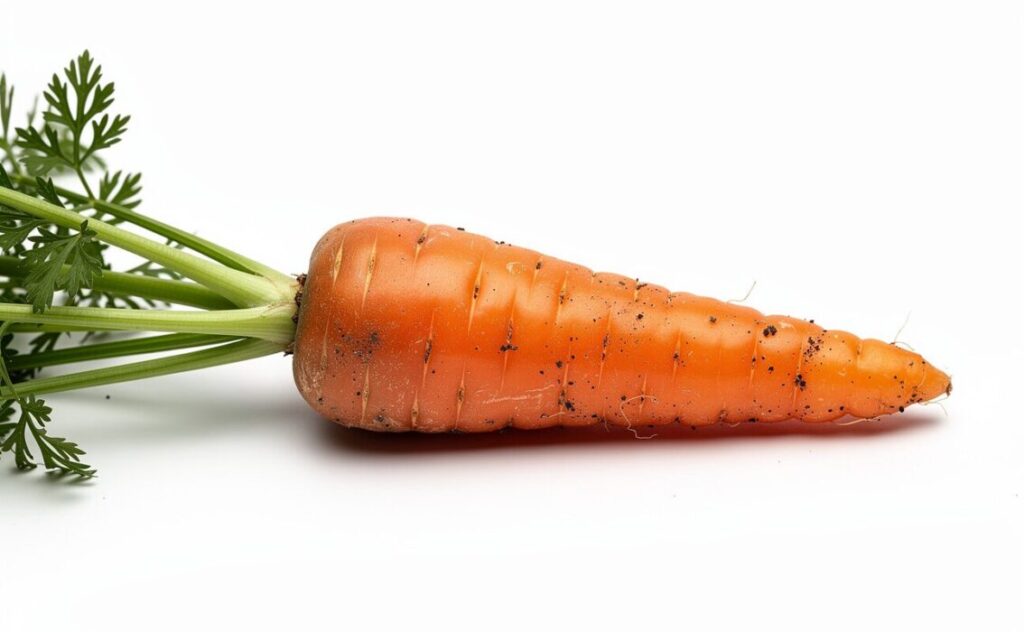
The common orange carrot we know today has a fascinating history. During the 17th century, Dutch growers embarked on a selective breeding program that transformed this root vegetable.
Prior to their efforts, wild carrots exhibited a range of hues, including:
- purple,
- yellow,
- white.
However, these resourceful farmers specifically cultivated the vibrant orange variety, appreciating both its distinct color and its enhanced sweetness. This development is also thought by some to have subtly paid tribute to the influential House of Orange.
What Man-Made Vegetables Came from the Wild Mustard Plant?
Many of the vegetables we eat today are, in fact, human innovations. Take the humble wild mustard plant, a venerable Brassica oleracea that thrived naturally across Europe and the Mediterranean approximately 2,500 years ago. Through selective breeding, ancient cultivators transformed this single species into a diverse array of garden staples. By focusing on particular plant characteristics, they developed:
- broccoli, renowned for its large flower heads,
- cauliflower, cherished for its edible white clusters,
- cabbage, which emerged with its distinctive tightly packed leaves,
- kale, which was cultivated for its expansive foliage,
- even Brussels sprouts, with their small, tender buds, are a testament to this historical botanical artistry.
How Did Corn Originate from Teosinte?
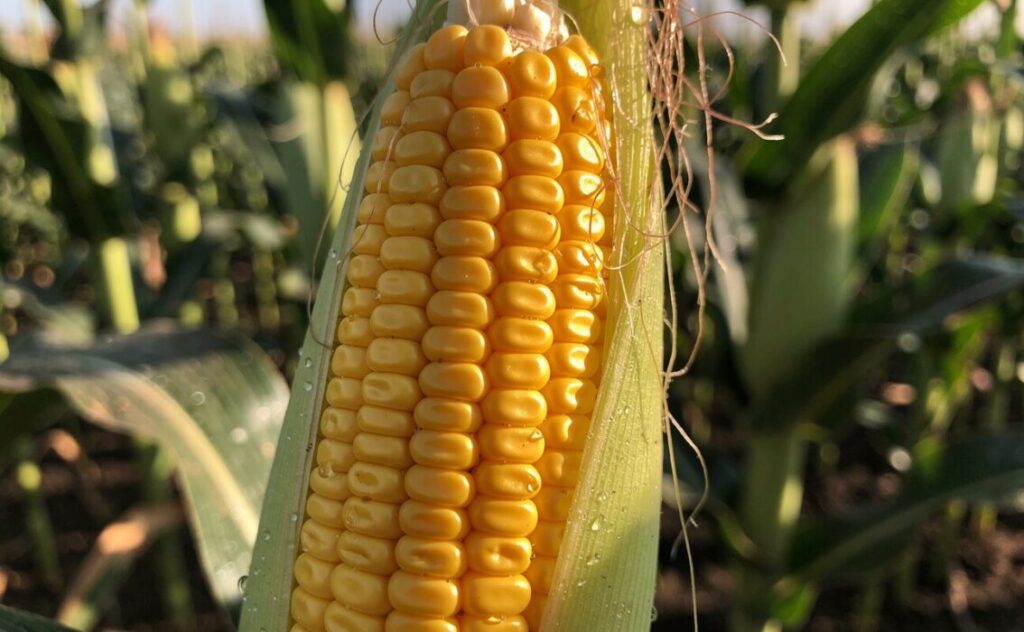
Corn, also known as maize, represents a remarkable achievement of human ingenuity. This staple food originated from teosinte, a wild grass, and underwent transformation over millennia through deliberate farming and breeding practices. Early agriculturalists meticulously selected plants with desirable traits, including larger ears with more kernels and those that were easier to process. This process evolved the wild plant, with its small, hard, shell-encased kernels, into the versatile crop we recognize today.
What Is the Development of Modern Tomatoes?
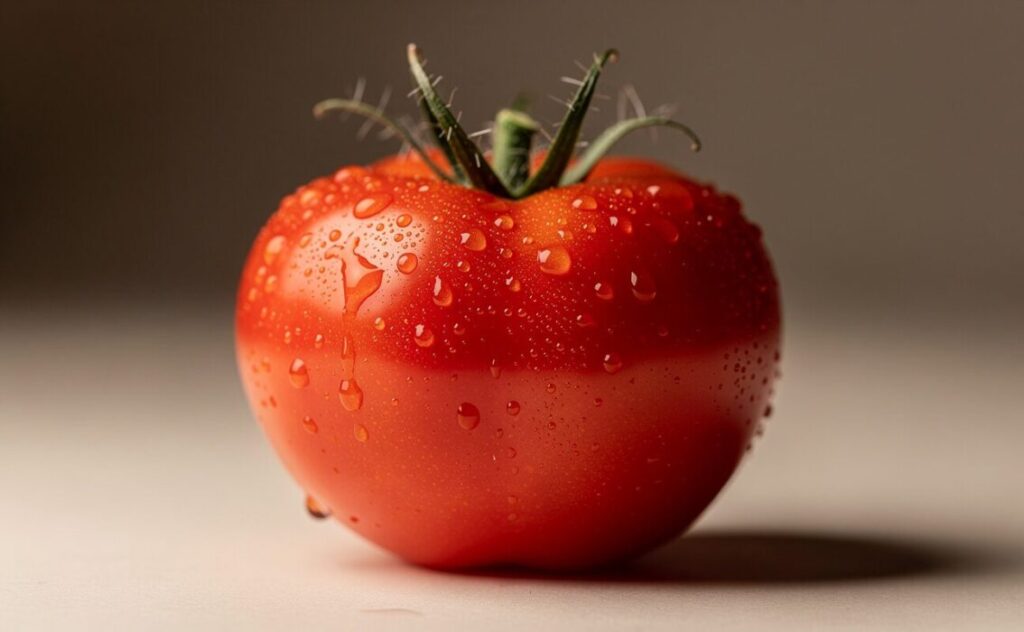
Modern tomato development exemplifies human intervention in plant evolution.
Much like corn and wild mustard vegetables, tomatoes have a fascinating journey. It all began with Solanum pimpinellifolium, a wild ancestor that produced tiny, pea-sized fruits.
Over millennia, early farmers systematically domesticated these plants, selecting for desirable traits:
- larger fruit size,
- enhanced juiciness,
- improved culinary qualities.
This persistent effort transformed the wild tomato into the diverse and palatable varieties we enjoy globally today.
What Are Man-Made Fruits and Vegetables?
Humans have dramatically reshaped fruits and vegetables from their original wild forms over many millennia, through careful cultivation, selective breeding, and hybridization, we’ve enhanced various desirable traits.
Consequently, many familiar varieties now look vastly different from their ancient ancestors. This lengthy domestication process, spanning thousands of years, has yielded foods that are not only more palatable but also produce higher yields.
Their improved taste and ease of cultivation have made them staples in our diets. Think of,
- oranges,
- bananas,
- carrots.
How Are Man-Made Fruits and Vegetables Created?
Humans actively engineer novel plant varieties, often referred to as “man-made” types”, through carefully planned breeding programs spanning numerous generations.
This process primarily involves two key stages:
- selective breeding, where individuals choose plants exhibiting desirable characteristics, such as larger fruits, enhanced flavor, or improved disease and pest resistance,
- hybridization, which involves cross-pollinating two distinct plant species or varieties, resulting in a new plant that typically incorporates advantageous features from both parent organisms, thereby developing its own unique attributes.
What Is Selective Breeding?
We can enhance plants through selective breeding, a process where we choose individuals with desirable traits and cross-pollinate them over many generations.
This practice aims to amplify specific characteristics, including:
- increased yield,
- improved nutritional content,
- enhanced resistance to disease.
This method meticulously shapes plant genetics through controlled cultivation, rather than direct genetic modification.
How Does Hybridization Create New Produce?
Hybridization involves cross-pollinating two distinct plants to create a novel hybrid, unlike simple selective breeding. This offspring beautifully merges characteristics from both its parent plants. For instance, the sweet orange is a delightful hybrid born from the union of a pomelo and a mandarin. This innovative process is crucial for developing fresh produce varieties with enhanced qualities, such as:
- increased disease resistance,
- superior flavor profiles,
- the convenience of being seedless.
What Role Does Domestication Play in New Varieties?
The domestication of plants is a long-term process through which humans have fundamentally reshaped wild flora into the agricultural crops we rely on. This transformation, achieved through techniques like selective breeding and hybridization, has unfolded over millennia. It’s a historical journey through which plants were adapted to better suit human needs and preferences, leading to the vast array of cultivated fruits and vegetables we enjoy today. This ongoing human endeavor remains absolutely crucial in the development of new crop varieties.
How Do Man-Made Fruits and Vegetables Differ from GMOs?
We’ve explored how selective breeding yields “man-made” produce, guiding plant reproduction naturally. This differs significantly from GMOs, or Genetically Modified Organisms. GMOs involve directly altering an organism’s genes using modern biotech methods. Scientists can precisely add, remove, or modify genes, often even across different species, to introduce desired traits into plants.
- for instance, the Flavr Savr Tomato, an early GMO, was engineered to ripen more slowly,
- another example is Bt Corn, which incorporates a gene from bacteria, making it naturally resistant to pests.
The key distinction lies in the methodology: “man-made” varieties emerge from natural reproductive processes, whereas GMOs are the result of direct genetic modifications performed in a laboratory setting.
Are Man-Made Fruits and Vegetables Safe and Nutritious?
The “man-made” fruits and vegetables we consume are both safe and healthy. Centuries of breeding have refined them, and research consistently shows their nutritional value is comparable to their wild counterparts. These plants are often optimized for appealing taste and robust growth, offering convenient features like seedless varieties. This development process relies on natural plant growth, completely separate from chemical treatments or laboratory gene manipulations, which further differentiates them from GMOs.
What Are the Benefits of Creating Man-Made Produce?
Engineered fruits and vegetables are not only safe but also nourishing. The advantages of selective breeding and hybridization extend far beyond mere sustenance.
These agricultural techniques transformed wild plants, making varieties more palatable and aesthetically pleasing. This enhancement led to a greater enjoyment of food and, consequently, increased consumption.
Cultivated produce is often easier to grow, resulting in more abundant harvests. This significantly contributes to global food security. Furthermore, human intervention has mitigated risks; for instance, wild almonds were once toxic. Today, many varieties are resistant to pests and diseases. Genetic selection enriches food diversity, making food both more accessible and enjoyable for all.
