
A roof takes the first hit in almost every storm, yet most homeowners only think about it once water is already coming through the ceiling. Wind-driven rain, hail, and sudden downpours put stress on every layer of a roofing system, from the shingles down to the fasteners holding everything in place, and the damage from a single bad storm can compound for years if it isn’t caught early.
The good news is that most storm-related roof damage is preventable with a bit of seasonal attention. Knowing what to inspect, when to reinforce, and when to employ the help of a roofing company can be the difference between a minor repair bill and a full roof replacement after the next major system rolls through. Insurance carriers see this pattern often enough that many now offer premium discounts for documented storm-prep maintenance, which makes the time spent on inspection worth more than just avoided repair costs.
- Why Storm Prep Starts Before the First Drop
- Inspecting and Reinforcing Your Roofing Materials
- Tracking Storms and Knowing When to Act
- Gutter and Drainage Systems
- Sealing Vulnerable Points: Flashing, Vents, Chimneys
- Trees, Debris, and Wind Damage Prevention
- When to Call a Professional vs. DIY
- Post-Storm Roof Damage Checklist
- Protecting What’s Above You
- Similar posts:
Why Storm Prep Starts Before the First Drop
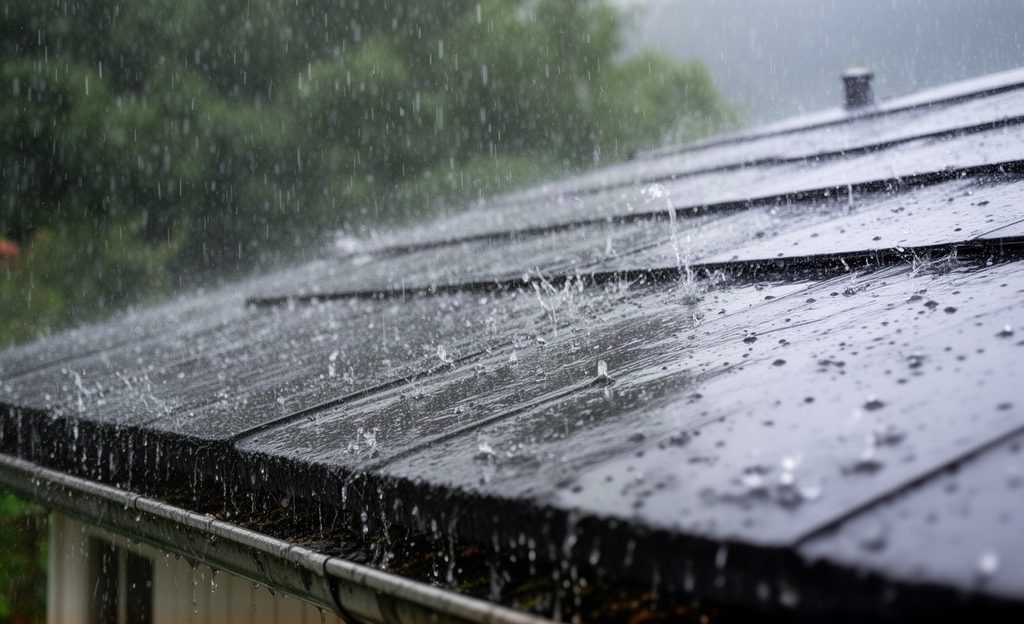
Roofs fail during storms for a fairly predictable set of reasons: aging materials, loose fasteners, and drainage systems that were never sized for the volume of water they’re now expected to handle. None of these issues show up overnight, which is exactly why waiting for a storm warning to start checking your roof is too late. The fasteners are one of the most overlooked parts of this equation.
Over time, exposure to moisture and temperature swings can loosen or corrode the hardware holding roofing panels in place, and using the wrong type of hardware from the start only speeds up the problem. For metal roofing systems specifically, using corrosion-resistant metal roofing screws rated for the panel gauge and local climate is one of the simplest ways to keep a roof performing the way it was designed to during high winds. Not every homeowner is equipped to evaluate this kind of wear themselves, and that’s where bringing in outside expertise pays off.
A roofing company that specializes in storm-resistant installations can spot fastener fatigue, flashing separation, or underlayment issues long before they become visible leaks. Scheduling an inspection ahead of your region’s storm season, rather than after the first bad one, gives a contractor time to make repairs on a normal timeline instead of a rushed, post-damage schedule.
Inspecting and Reinforcing Your Roofing Materials
A visual inspection twice a year catches most of the early warning signs. Walk the perimeter of the house and look for shingles that are curling, cracking, or missing granules, since these are usually the first indicators that a roof surface is losing its ability to shed water efficiently. Check exposed hardware for rust streaks running down the roof line, which typically means a fastener is corroding faster than the surrounding material. If your outdoor fasteners are showing early signs of corrosion in one area, it’s worth checking the rest of the property for the same pattern, since exposure conditions tend to affect railings, gutters, and roof hardware in similar ways.
Reinforcement doesn’t have to mean a full re-roof. In many cases, replacing a batch of worn fasteners, resealing exposed nail heads, or adding supplemental clips to panel edges is enough to bring an aging roof back up to a safer standard before storm season. The key is catching these issues while they’re still isolated repairs rather than symptoms of a system-wide failure. Keep a simple log of what was checked and replaced each season; it makes future inspections faster and gives a contractor useful history if a bigger repair is ever needed.
Tracking Storms and Knowing When to Act
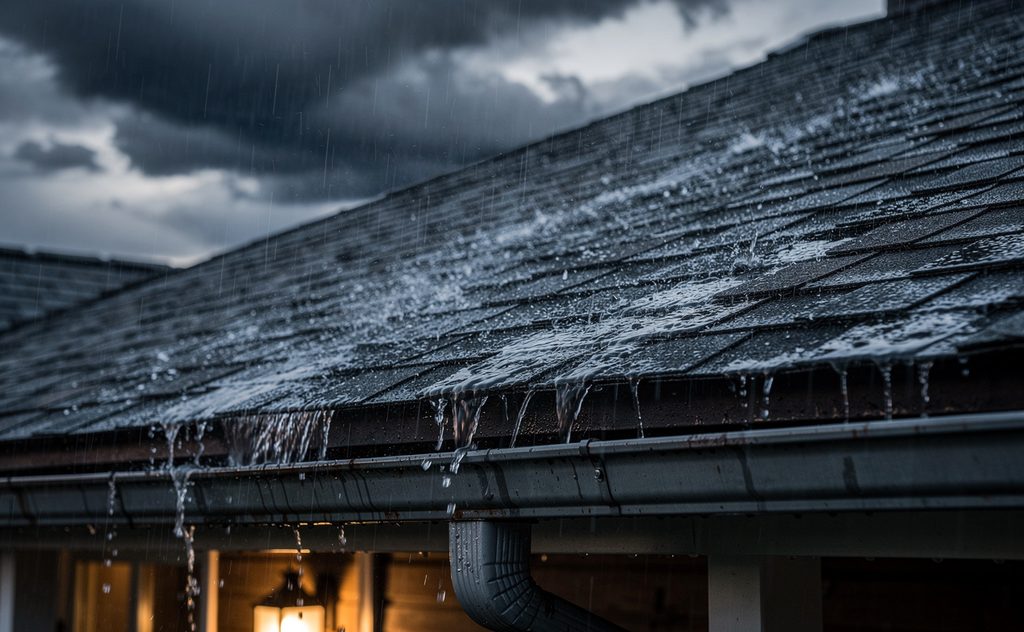
Roof prep isn’t just physical work; part of it is simply paying attention to the forecast. Knowing the difference between a watch and a warning, and having a plan for securing loose items before wind picks up, gives you a window to act instead of reacting after the fact. Official thunderstorm safety guidance recommends checking forecasts regularly during storm season and treating any watch as a cue to finish outstanding repairs, not start them.
Homeowners in regions with frequent severe weather often keep a running list of pre-storm tasks: trimming branches near the roofline, securing patio furniture, and double-checking that gutters are clear. None of these take more than an afternoon, but skipping them repeatedly across multiple storms is how minor vulnerabilities turn into major repair costs.
Gutter and Drainage Systems
Clogged or undersized gutters are one of the most common causes of storm-related water intrusion, and the problem usually has nothing to do with the roof surface itself. When gutters can’t move water away fast enough, it backs up under shingles, saturates fascia boards, and eventually finds its way into the attic or exterior walls. Homeowners debating whether to route their gutter drainage into an existing storm or sewer line should understand the tradeoffs first, since improper connections can create code violations or backflow issues that are worse than the original overflow problem.
Downspout extensions are a low-cost fix that solves a surprising amount of storm damage. Water discharged only a foot or two from the foundation tends to pool and eventually finds its way back toward the house, while extensions that carry water four to six feet away significantly reduce the risk of basement seepage and soil erosion around the footing.
Sealing Vulnerable Points: Flashing, Vents, Chimneys
Flashing is where most roof leaks actually start, not the shingles themselves. The metal strips sealing the joints around chimneys, skylights, and roof vents are constantly flexing with temperature changes, and that movement eventually breaks the seal holding them to the roof deck. During heavy rain, wind can drive water sideways under a compromised flashing joint even if the shingles above it look completely intact.
Vent boots (the rubber or plastic collars around plumbing stacks) are another frequent failure point, since the rubber tends to crack and dry out years before the surrounding shingles show any wear. A quick check of these points before storm season, and resealing anywhere the caulking looks brittle or cracked, closes off some of the most common paths water uses to get inside during a downpour.
Trees, Debris, and Wind Damage Prevention
Overhanging branches do double duty as a threat. They drop debris that clogs gutters, and in high wind, they become the single biggest cause of physical roof damage on residential properties. Any limb within ten feet of the roofline should be assessed by an arborist before storm season, particularly if the tree has shown signs of disease or if branches have grown heavy enough to sag toward the house.
Loose yard items are a secondary but very real risk. Patio furniture, decorative items, and even loosely secured trash cans can become airborne in sustained winds and cause impact damage to shingles or gutters. A five-minute walk around the property before a forecasted storm to secure or store these items is one of the easiest prevention steps available, and it costs nothing beyond a bit of time. Sheds, trampolines, and unsecured awnings deserve the same attention, since larger unanchored structures cause disproportionately more roof damage when wind catches them.
When to Call a Professional vs. DIY
Basic maintenance like clearing debris, checking caulking, and doing a visual inspection from the ground is well within reach for most homeowners. However, anything that requires getting on the roof itself, evaluating structural sag, or diagnosing the source of an active leak is a different situation entirely. Roofing work involves both fall risk and the possibility of making a problem worse through an incomplete repair, and neither is worth the savings of skipping a professional visit.
A good rule of thumb: if the damage is visible from the ground, or the repair involves anything beyond surface-level sealant work, it’s time to bring in a licensed contractor rather than attempt a fix without the right equipment or experience.
Post-Storm Roof Damage Checklist
After any significant storm, a quick post-event check can catch damage before it turns into a larger repair. Look for granules collecting in gutters or at downspout outlets, since heavy granule loss usually signals hail impact even when shingles look intact from a distance. Check the attic for water stains, damp insulation, or daylight coming through the roof deck, all of which point to a breach that isn’t yet visible from outside.
Photograph any visible damage immediately, including displaced shingles, dented vents, or damaged flashing, since this documentation is typically required for insurance claims and gets harder to gather once repairs are underway. Filing a claim promptly, while the damage is still fresh and easy to verify, also tends to move faster than one filed weeks after the fact.
Protecting What’s Above You
Storm damage to a roof rarely happens all at once. It’s usually the result of small, ignored issues compounding over several seasons until one storm finally exposes all of them at the same time. Regular inspections, timely fastener and flashing repairs, and knowing when a job calls for professional hands are what separate a roof that handles decades of storms from one that needs constant, expensive attention.
